Top Market Charts You Need Today
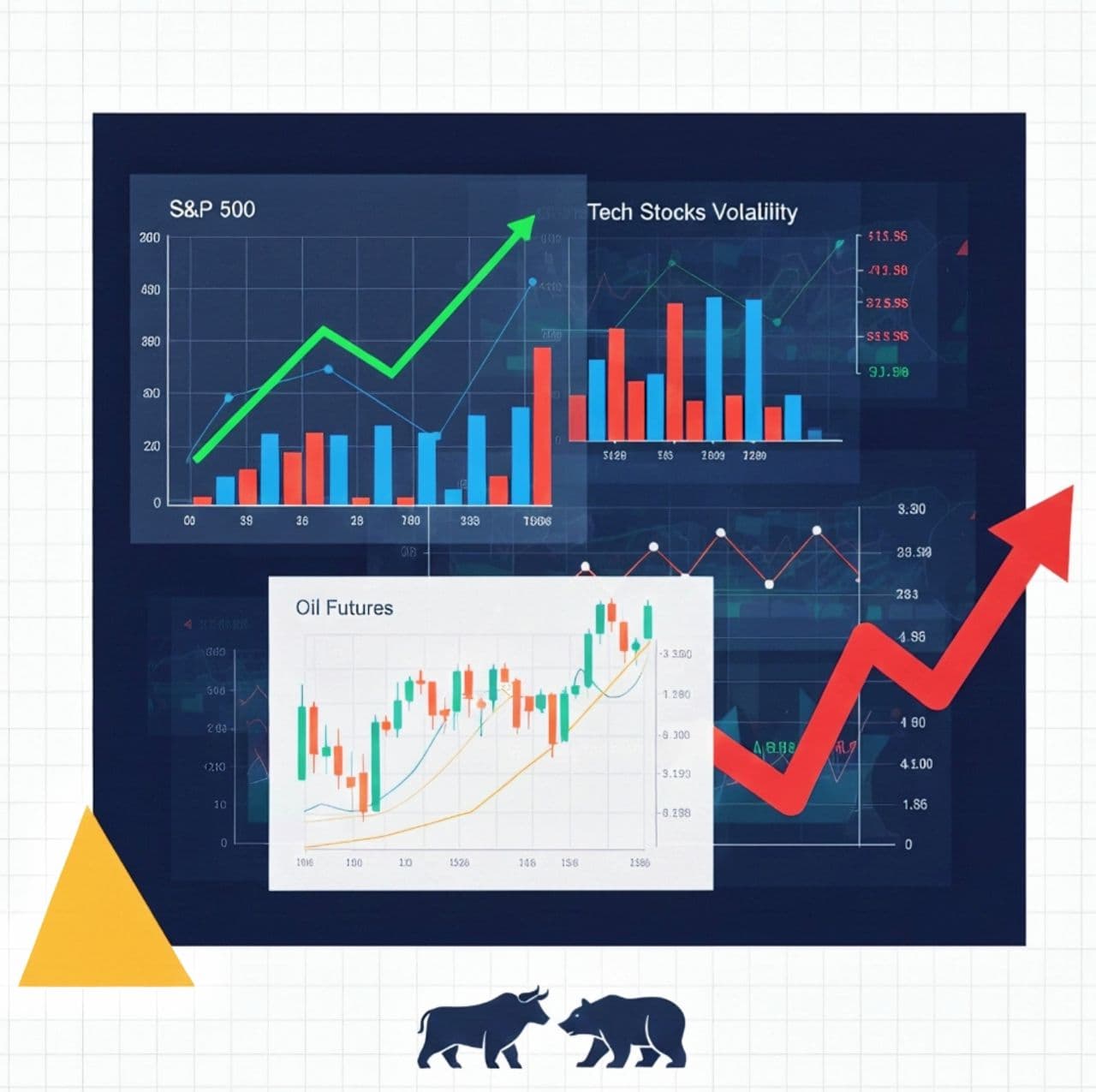
This strategy is all about recognizing how different industries perform at various stages of the economic cycle and adjusting your portfolio accordingly. Think of it as surfing the waves of the market moving into sectors that are gaining momentum and stepping out of those that are losing steam.
- Watch the signals: Rising interest rates often benefit financials, while falling rates can boost real estate and growth stocks.
- Stay flexible: Don’t cling to outdated assumptions; be ready to adjust quickly.
- Use diversification with agility: Overweight sectors with favorable outlooks and underweight those facing headwinds.
- Monitor continuously: Success depends on attentiveness to both economic data and market sentiment.
Key Takeaways
Sector rotation is not about predicting the future perfectly it’s about aligning your investments with the current environment. By sliding into sectors that match the prevailing cycle and slipping out of those losing strength, investors can potentially capture growth opportunities while cushioning against downturns. The strategy requires discipline, flexibility, and active monitoring, but when applied thoughtfully, it offers a powerful framework for navigating volatility with purpose.
Sector rotation works because economies move in cycles. During expansion, sectors like technology and consumer discretionary often thrive, while in downturns, defensive sectors such as healthcare and utilities tend to hold up better. By paying attention to macroeconomic signals interest rates, inflation, and consumer spending investors can anticipate which industries are likely to outperform. The “slip‑sliding” metaphor captures the fluidity of this approach: you’re constantly sliding between opportunities as conditions evolve.
The real strength of these strategies lies in flexibility and attentiveness. Sector rotation works best when investors are willing to adjust quickly as conditions evolve, while risk reversals demand careful strike selection and awareness of implied volatility. Both strategies emphasize dynamic allocation rather than static investing. Success depends on staying informed, interpreting macroeconomic signals, and managing risk responsibly. Used thoughtfully, they can provide a framework for navigating volatility and capturing opportunities across market cycles.
Sector Rotation in Practice
Imagine the economy is moving from recovery into expansion. Consumer discretionary and technology stocks often lead during this phase because people spend more and businesses invest in innovation. Later, as growth slows and interest rates rise, financials and energy may take the spotlight. Finally, in downturns, defensive sectors like healthcare and utilities tend to outperform because demand for their services remains steady. This rotation illustrates how investors can “slip‑slide” between sectors to stay aligned with the cycle.
Risk Reversal Options Strategy
Suppose a trader is bullish on a stock currently trading at $100. They buy a call option with a strike price of $105 and simultaneously sell a put option with a strike price of $95. The premium received from selling the put helps offset the cost of buying the call. If the stock rises above $105, the trader profits from the call. But if the stock falls below $95, they face losses from the short put. This example shows both the potential reward and the risk embedded in a risk reversal.
Sector rotation and options strategies such as risk reversals are not risk‑free. Misjudging the economic cycle or volatility can lead to significant losses, especially if positions are heavily concentrated in one sector or if the short option in a risk reversal moves against you. These approaches require active monitoring, discipline, and a solid understanding of market dynamics. Beginners should avoid jumping in without proper education or guidance, as the strategies can magnify losses instead of cushioning them.
Related Articles

Iran War March 2026: Rising Costs for Americans

Gas Prices March 2026: Highest Since 2022 — State-by-State Pump Costs

March 2026 Market Outlook: Jobs Report, Retail Sales, Trade Balance, and Earnings from Nike & Conagra

Bitcoin Price Forecast 2026: Crypto Market Bottom and Recovery Trends

Iran War’s Impact on Your Finances

Gold Price Sell-Off: Investment Market Trends

Fed Policy Meeting Begins – Inflation and Rate Outlook

Iran War Fuels Inflation Fears – Fed Rate Hike Looms

Diesel Price Surge Threatens U.S. Economy – Inflation Risks Ahead

Iran War Timeline and Economic Impact – What Investors Need to Know

Nvidia Projects $1 Trillion Chip Sales – AI Stocks Poised for Growth