Earn a Top CD Rate for 1 Year, Despite Rate Cuts

- Top Rate: Farmers Insurance Federal Credit Union 4.25% APY, 12-month term, $1,000 minimum deposit.
- Genisys Credit Union 4.16% APY, 13 months, $500 minimum.
- USAlliance Financial 4.15% APY, 12 months, $500 minimum.
- Abound Credit Union 4.15% APY, 13 months, $500 minimum.
- E*TRADE (Morgan Stanley) 4.10% APY, 12 months, no minimum deposit.
- Several institutions (Marcus by Goldman Sachs, Sallie Mae Bank, AmeriCU, Limelight Bank, etc.) are offering 4.00% APY with varying terms and deposit requirements.
- The Federal Reserve has kept interest rates steady at 3.50% 3.75% (as of Jan. 28, 2026).
- CD rates tend to follow the Fed’s moves, so if rates drop later this year, CD yields are expected to decline.
Key Takeaways
Best 1-Year CD Rates for High-Yield Savings in 2026
The leading one-year CD rate currently stands at 4.25% APY from Farmers Insurance Federal Credit Union, which is more than 2.6 times the national average for a 12-month CD. All rates included in this ranking were verified and available to open as of February 13, 2026. This makes it one of the most competitive short-term savings options for those seeking secure returns without locking funds away for multiple years.
We have been tracking CD rates daily since 2019, monitoring over 200 banks and credit unions nationwide. Their research highlights both partner offers and independently sourced CD rates, ensuring savers have access to the most up-to-date information. For those interested in different term lengths, additional lists of the best CD rates overall are available, offering flexibility depending on savings goals.
Top 1-Year CD Rates for Maximum Savings Returns
| Institution | APY | Notes / Minimum Deposit |
|---|---|---|
| Farmers Insurance Federal Credit Union | 4.25% | $1,000 minimum deposit |
| Genisys Credit Union | 4.16% | 13-month term, $500 minimum |
| USAlliance Financial | 4.15% | 12-month term, $500 minimum |
| Abound Credit Union | 4.15% | 13-month term, $500 minimum |
| E*TRADE (Morgan Stanley) | 4.10% | No minimum deposit |
| SkyOne Federal Credit Union | 4.00% | Standard 12-month CD |
| OnPath Credit Union | 4.00% | Standard 12-month CD |
| Sallie Mae Bank | 4.00% | Standard 12-month CD |
| AmeriCU | 4.00% | Standard 12-month CD |
| EFCU Financial | 4.00% | Standard 12-month CD |
| Marcus by Goldman Sachs | 4.00% | Online CD option |
| One American Bank | 4.00% | Standard 12-month CD |
| Limelight Bank | 4.00% | Online CD option |
| PonceBankDirect | 4.00% | Standard 12-month CD |
| Vibrant Credit Union | 4.00% | Standard 12-month CD |
These rates show that Farmers Insurance Federal Credit Union leads the pack, while many other banks and credit unions are clustered at the 4.00% APY mark, offering savers multiple secure choices.
Best Nationwide 1-Year CD Rates – February 2026
To identify the strongest one-year CD offers, the ranking considers term length, early withdrawal penalties, and minimum deposit requirements. Eligible CDs fall within 10 14 months and require deposits of no more than $25,000. Farmers Insurance Federal Credit Union leads with 4.25% APY, more than 2.6 times the national average, followed closely by Genisys Credit Union (4.16% APY) and USAlliance Financial (4.15% APY). When multiple institutions offer the same APY, priority is given to shorter terms, then lower minimum deposits, and finally alphabetical order. This ensures savers can choose the most accessible and competitive option nationwide.
We have tracked CD rates daily since 2019, monitoring over 200 banks and credit unions to provide verified, nationally available offers. Their methodology ensures that only federally insured institutions (FDIC or NCUA) are included, with deposits protected up to $250,000 per depositor. The current environment makes one-year CDs an attractive short-term savings vehicle, especially for those seeking predictable returns without committing to longer terms.
The CDs listed here are well-suited for anyone aiming to reach short-term savings or investment goals. A one-year CD provides a secure way to lock in a competitive rate, but if committing for 12 months feels restrictive, shorter-term CDs or high-yield savings accounts may be better alternatives. With high-yield savings accounts currently offering around 5.00% APY, they provide flexibility and easy access to funds while still delivering strong returns.
Choosing between a 1-year CD and shorter-term options depends on your priorities. If predictability and guaranteed returns matter most, the one-year CD is a safe choice. If liquidity and flexibility are more important, shorter CDs or savings accounts allow you to access funds sooner without penalties. This balance ensures savers can align their choice with their financial goals.
Best 1-Year CD Rates – Nationwide Comparison
Here’s a structured table of the top one-year CD offers, including APY, term length, minimum deposit, penalties, and background details:
Farmers Insurance Federal Credit Union – 4.25% APY
- Term: 12 months
- Minimum deposit: $1,000
- Penalty: Complex formula (minimum 3 months)
- Overview: Founded in 1936, headquartered in Burbank, CA. Membership via American Consumer Council.
Genisys Credit Union – 4.16% APY
- Term: 13 months
- Minimum deposit: $500
- Penalty: 3 months of interest
- Overview: Founded in 1964, Auburn Hills, MI. Membership via $5 donation.
USAlliance Financial – 4.15% APY
- Term: 12 months
- Minimum deposit: $500
- Penalty: 6 months of interest
- Overview: Founded in 1966, Rye, NY. Membership via American Consumer Council.
Abound Credit Union – 4.15% APY
- Term: 13 months
- Minimum deposit: $500
- Penalty: 3 months of interest
- Overview: Founded in 1950, KY. Membership via $10 fee + $5 savings.
ETRADE (Morgan Stanley) – 4.10% APY*
- Term: 12 months
- Minimum deposit: None
- Penalty: 3 months of interest
- Overview: FDIC-insured via Morgan Stanley Private Bank.
SkyOne Federal Credit Union – 4.00% APY
- Term: 10 months
- Minimum deposit: $1,000
- Penalty: 3 months of interest
- Overview: Founded in 1949, CA. Membership via American Consumer Council.
OnPath Credit Union – 4.00% APY
- Term: 11 months
- Minimum deposit: $1,000
- Penalty: 3% of balance
- Overview: Founded in 1961, LA. Membership via $5 donation.
Sallie Mae Bank – 4.00% APY
- Term: 11 months
- Minimum deposit: $2,500
- Penalty: 3 months of interest
- Overview: Online arm of Sallie Mae, founded 1972.
AmeriCU – 4.00% APY
- Term: 12 months
- Minimum deposit: $500
- Penalty: 4 months of interest
- Overview: Founded in 1950, NY. Membership via American Consumer Council.
EFCU Financial – 4.00% APY
- Term: 12 months
- Minimum deposit: $500
- Penalty: 6 months of interest
- Overview: Founded in 1934, Baton Rouge, LA. Membership via donation.
Marcus by Goldman Sachs – 4.00% APY
- Term: 12 months
- Minimum deposit: $500
- Penalty: 9 months of interest
- Overview: Online-only bank, founded 2016.
One American Bank – 4.00% APY
- Term: 12 months
- Minimum deposit: $500
- Penalty: 9 months of interest
- Overview: FDIC-insured since 1934, headquartered in SD.
Limelight Bank – 4.00% APY
- Term: 12 months
- Minimum deposit: $1,000
- Penalty: 3 months of interest
- Overview: Online division of Capital Community Bank, UT.
PonceBankDirect – 4.00% APY
- Term: 12 months
- Minimum deposit: $1,000
- Penalty: 6 months of interest
- Overview: Online affiliate of Ponce Bank, NY.
Vibrant Credit Union – 4.00% APY
- Term: 13 months
- Minimum deposit: $5
- Penalty: All earned interest
- Overview: Founded in 1935, IL. Membership via Illinois Consumer Council.
This breakdown shows Farmers Insurance FCU leading with 4.25% APY, while many other institutions cluster at 4.00% APY, offering savers multiple secure and federally insured choices.
Comparing the Best 1-Year CD Rates – February 2026
| Institution | Rate (APY) | Term | Minimum Deposit | Early Withdrawal Penalty |
|---|---|---|---|---|
| Farmers Insurance Federal Credit Union | 4.25% | 12 months | $1,000 | Complex formula (min 3 months) |
| Genisys Credit Union | 4.16% | 13 months | $500 | 3 months of interest |
| USAlliance Financial | 4.15% | 12 months | $500 | 6 months of interest |
| Abound Credit Union | 4.15% | 13 months | $500 | 3 months of interest |
| E*TRADE (Morgan Stanley) | 4.10% | 12 months | Any amount | 3 months of interest |
| GTE Financial | 4.02% | 12 months | $500 | 3 months of interest |
| SkyOne Federal Credit Union | 4.00% | 10 months | $1,000 | 3 months of interest |
| OnPath Credit Union | 4.00% | 11 months | $1,000 | 3% of balance |
| Sallie Mae Bank | 4.00% | 11 months | $2,500 | 3 months of interest |
| AmeriCU | 4.00% | 12 months | $500 | 4 months of interest |
| EFCU Financial | 4.00% | 12 months | $500 | 6 months of interest |
| Marcus by Goldman Sachs | 4.00% | 12 months | $500 | 9 months of interest |
| One American Bank | 4.00% | 12 months | $500 | 9 months of interest |
| Limelight Bank | 4.00% | 12 months | $1,000 | 3 months of interest |
| PonceBankDirect | 4.00% | 12 months | $1,000 | 6 months of interest |
| Vibrant Credit Union | 4.00% | 13 months | $5 | All earned interest |
On January 28, 2026, the Federal Reserve held its benchmark interest rate steady at 3.50% 3.75%, following three consecutive cuts and six reductions since September 2024. Because CD yields closely track the federal funds rate, this pause suggests that CD rates could decline later this year if the Fed resumes lowering rates.
For savers, this means today’s top offers like the 4.20% APY on a 2-year CD may represent some of the best opportunities to lock in higher returns before rates trend downward.
Why You Can Trust Our CD Rate Recommendations
Why You Can Trust Our Recommendations for the Best 1-Year CD Rates
- Daily Data Collection: SmartHabesha gathers thousands of CD rates from hundreds of banks and credit unions every weekday.
- Ranking Criteria: Rates are ranked based on factors that matter most to savers term length, early withdrawal penalties, and minimum deposit requirements.
- Proven Track Record: SmartHabesha has been publishing CD rate rankings since 2019, though the site itself launched in 1999.
- Historical Perspective: When tracking began, the highest 1-year CD rate was 2.60%. Today’s top rates are more than double that, showing how yields have shifted over time.
- Nationwide Availability: Recommended CDs must be available nationwide and typically pay three times the national average.
- Eligibility Standards: To qualify for rankings, CDs must: Have a minimum deposit requirement of $25,000 or less
- Eligibility Standards: To qualify for rankings, CDs must: Be offered by an FDIC-insured bank or NCUA-insured credit union (coverage up to $250,000 per depositor)
- Eligibility Standards: To qualify for rankings, CDs must: Include terms between 10 and 14 months
What Is a 1-Year CD and How It Works in 2026
What Is a 1-Year CD and How Does It Work?
- Definition: A 1-year certificate of deposit (CD) is a special savings account with a fixed interest rate, typically higher than standard savings accounts.
- Term Length: Usually runs 10 to 14 months, making it ideal for short-term savings goals.
- Deposit Requirement: You make one deposit at the start, and funds remain locked until maturity.
- Maturity Date: At the end of the term, you can withdraw your funds plus earned interest.
- Early Withdrawal: Possible, but incurs a penalty that reduces your earnings.
- Why Banks Pay More: Institutions offer higher rates because they can rely on your funds staying put, unlike liquid accounts where money moves in and out.
- Availability: Banks and credit unions offer CDs in terms ranging from 1 month to 10 years, but 1-year CDs are among the most widely available.
Fast Fact: CDs Still Attract Savers in 2026
In a June survey, 11% of our readers said they would put an extra $10,000 into CDs, ranking them above high-yield savings accounts and stock index funds. CDs trailed individual stocks and ETFs, but their popularity highlights how many savers still value safety, predictability, and insured returns over riskier investments.
This shows that even in 2026, CDs remain a trusted option for those who want guaranteed growth without market volatility.
Who Should Choose a CD in 2026
Who Is a CD Best For?
- Low-Risk Savers: CDs are ideal for people who want to grow their money safely and can afford not to touch it for months or years.
- Short- to Medium-Term Goals: Perfect for saving toward a home down payment, tuition, or other near-future expenses. CDs provide guaranteed returns without stock market risk.
- Spending Discipline: Because early withdrawals incur penalties, CDs help reduce the temptation to dip into savings for unplanned purchases.
- Retirement Planning (Near-Term): While stocks historically outperform CDs over the long term, CDs can be useful for diversification and risk reduction as retirement approaches.
- Not for Emergencies: If you’re building emergency savings, a high-yield savings account is better since it allows immediate access to funds without penalties.
“We opened two 1-year CDs because the interest rates were stronger than what we earned on savings accounts. Signing up was quick and easy, only taking a few minutes at the bank. The short-term duration worked well for us since we might need the money soon,” explained Helen Koby, a retired New Jersey resident who, along with her husband, chose 1-year CDs in 2023.
This example highlights why 1-year CDs remain appealing in 2026: they combine higher yields than traditional savings accounts with flexibility for those who want access to funds in the near future. For savers who value simplicity, insured returns, and short-term commitment, a 1-year CD can be a practical choice.
Best 1-Year CD Rates 2026: Pros and Cons Explained
Pros
- Fixed interest rate for a full year
- Higher APY compared to liquid savings accounts
- Predictable earnings with a guaranteed withdrawal date
- Extremely safe, FDIC or NCUA insured
- Helps deter unnecessary spending
Cons
- Early withdrawals incur penalties
- Only one deposit allowed at the start
- Locked rate means missing out if interest rates rise
- If rates decline, you may wish you had chosen a longer-term CD
Best 1-Year CD Rates 2026: Pros and Cons Explained
Pros Explained
- Fixed interest rate for a full year: Once you open a CD, the rate is locked for the entire term regardless of Federal Reserve changes or market shifts. This is especially beneficial if rates are expected to decline, helping you stay on track with short-term savings goals.
- Higher APY than liquid accounts: Banks and credit unions typically pay more on CDs than on savings, money market, or checking accounts since funds remain fixed.
- Fully predictable earnings and withdrawal date: With a fixed rate and term, you know exactly when you’ll access your funds and how much interest you’ll earn.
- Extremely safe, with almost no risk: CDs at FDIC-insured banks or NCUA-insured credit unions are federally protected up to $250,000, even if the institution fails.
- Helps deter spending: The early withdrawal penalty discourages dipping into savings for unnecessary expenses.
Cons Explained
- Early withdrawal incurs a penalty: Accessing funds before maturity reduces your earnings.
- No additional deposits allowed: Once you make the initial deposit, you cannot add more money to the CD.
- Locked rate risk: If rates rise, you miss out on higher yields since your CD rate is fixed.
- Missed opportunity if rates fall: If rates decline, you may regret not locking in a longer-term CD to secure today’s higher rates.
Always review the terms of your CD carefully before signing and funding the account. Understanding the interest rate, maturity date, and withdrawal rules upfront ensures you won’t face surprises later.
If you change your mind within the first few days of opening, some banks provide a grace period that allows you to exit penalty-free. This feature can be especially useful if you spot a better rate elsewhere or decide a CD isn’t the right fit for your savings strategy.
How Much $1,000 Earns in a 1-Year CD (2026 Rates)
How Much Money Does $1,000 Make in a Top-Paying 1-Year CD?
The interest earned on a $1,000 deposit in a 1-year CD depends entirely on the APY offered. At 5.00% APY, you’d earn $50 in interest for a total of $1,050 after one year. At 4.75% APY, the return would be $47.50, bringing your balance to $1,047.50. At 4.50% APY, you’d earn $45, ending with $1,045. These examples show how even small differences in APY can impact your total earnings.
The higher your deposit, the greater the return. For instance, a $10,000 deposit in a 1-year CD at these same rates would generate between $450 and $500 in interest over the year, provided you don’t withdraw early. This makes CDs a reliable option for short-term savers who want predictable, insured growth without market risk.
How to Find the Best 1-Year CD in 2026
To secure the highest-paying 1-year CD, it’s important to shop around across banks, credit unions, and even brokerage accounts. The best CD for you will be the one where you feel comfortable leaving your money for 12 months, helping you reach short-term savings goals faster.
Before committing, review the early withdrawal penalty since accessing funds before maturity usually reduces earnings. Some CDs offer no-penalty options, which can be useful if flexibility is important. Once you’ve compared rates and terms, deposit your money to start earning guaranteed interest.
How to Open a 1-Year CD in 2026
Opening a CD is as straightforward as setting up a savings or checking account, and most top-paying CDs can be opened online in just 10 15 minutes. The first step is to provide your personal information and verify your identity, either online or in person. Next, you’ll need to specify how you’ll fund the CD most commonly through an electronic transfer from another financial institution, though some banks also allow checks or wire transfers.
Finally, carefully read the written terms of your CD agreement. This document outlines the interest rate you’ll earn, the maturity date, how often interest is compounded, and the exact penalty calculation if you withdraw funds early. Reviewing these details ensures you know exactly how your CD will perform and helps you avoid surprises down the road.
If you plan to fund a new CD with a very large deposit, it’s essential to check with the institution about any external transfer limits that could slow down or block your transaction. Some banks and credit unions impose daily or per-transfer caps, which may require splitting the deposit into multiple transfers or using alternative funding methods like a wire transfer.
By confirming these limits in advance, you can avoid delays and ensure your CD is funded smoothly, allowing you to lock in your rate and start earning interest right away.
1-Year CD Management 2026: Set It and Forget It
Once your CD is open and funded, it’s generally a “set it and forget it” product. You’ll receive monthly or quarterly statements showing your certificate’s growth, but ideally, you’ll leave the funds untouched until the maturity date arrives. This makes CDs a convenient option for savers who want predictable returns without constant monitoring.
Although banks or credit unions will notify you before your CD matures, it’s smart to set a calendar reminder yourself. That way, you’ll be ready to decide whether to withdraw, reinvest, or roll over the funds when the CD expires. Being proactive ensures you don’t miss out on locking in a new rate or redirecting your savings to meet your financial goals.
Best Time to Open a 1-Year CD in 2026
The ideal time to open a 1-year CD is just before interest rates decline. While it’s impossible to predict rate changes with certainty, timing your deposit can make a big difference. For example, if today’s APY is 5.00% and you expect the Federal Reserve to lower the fed funds rate soon, locking in now could secure higher returns before CD rates follow the downward trend.
Ultimately, the best time depends on your personal situation. You’ll need to consider how much you plan to deposit and whether you can leave the funds untouched for the full term. If you’re confident rates may fall, acting sooner rather than later could help maximize your earnings.
According to the FDIC, the national average interest rate for a 1-year CD is 1.61% APY. However, the best CD rates available nationwide are nearly three times higher. This makes it essential to shop around and compare institutions to secure the most competitive rate for your savings. By doing so, you can maximize returns while still enjoying the safety and predictability that CDs provide.
Early Withdrawal Penalties on 1-Year CDs in 2026
Early withdrawal penalties (EWPs) vary widely among banks and credit unions, making it critical to understand the terms before opening a CD. “Before purchasing a CD, make sure you know what would happen if you needed to break the CD prematurely,” advised Douglas Boneparth of our Financial Advisor Council. For a 1-year CD, the most common penalty is three or six months’ worth of interest, meaning your payout will be reduced by that amount if you cash out before maturity.
Not all EWPs are alike some institutions may charge a full year’s interest, while others assess only 30 days. Certain policies can even cut into your principal, making due diligence essential. When comparing CDs, prioritize those with milder penalties if rates and terms are otherwise similar. This ensures you keep more of your earnings should you need early access to your funds.
CD Rates 2026: Big Banks vs Credit Unions
Some of the largest banks and credit unions often the ones you see advertised on TV don’t always offer the highest CD rates. When choosing a CD, it’s best to prioritize a high APY, a minimum deposit you can comfortably afford, and a term that aligns with your savings timeline. If the top nationwide CD rates don’t fit your needs, big-name institutions can still be worth considering, especially if you already have an existing relationship that makes opening a CD simple and convenient.
Here are some major banks and credit unions offering CD products you may want to explore:
- Citibank CD Rates
- U.S. Bank CD Rates
- Chase Bank CD Rates
- Bank of America CD Rates
- Navy Federal CD Rates
- Capital One CD Rates
- Wells Fargo CD Rates
- TD Bank CD Rates
- PNC Bank CD Rates
- Charles Schwab CD Rates
- PenFed CD Rates
Alternatives to 1-Year CDs in 2026
A 1-year CD isn’t always the best savings option, and depending on your situation, there are several alternatives worth considering:
- 1-Year CDs vs. Longer-Term CDs: If you can leave funds untouched for more than a year, explore 18-month or 2-year CDs. These often offer higher rates or lock in today’s yields for longer.
- 1-Year CDs vs. Shorter-Term CDs: If a year feels too long, 3-month or 6-month CDs provide shorter commitments while still offering better APYs than traditional savings.
- 1-Year CDs vs. Savings Accounts: High-yield savings accounts give you flexibility with withdrawals while still paying competitive interest, though usually less than top CD rates.
- 1-Year CDs vs. Money Market Accounts: Money market accounts combine savings features with check-writing privileges, offering higher interest than standard savings and more flexibility than CDs.
1-Year CDs vs. Investing Accounts in 2026
1-Year CDs vs. Investing and Brokerage Accounts
Investing accounts allow you to put money into stocks, bonds, ETFs, and index funds, often through a brokerage. While these accounts can deliver higher returns, they come with market risk your investments may be worth more or less when you sell. Withdrawals aren’t instant either; it can take a few days for funds to transfer back to your bank. Additionally, profits are subject to capital gains taxes, which vary depending on how long you held the investment.
By contrast, CDs are predictable. With a 1-year CD, you know exactly when you’ll get your money back and how much interest you’ll earn. While CDs do have early withdrawal penalties and earnings are taxed as ordinary income, they offer stability and certainty. Many banks and credit unions even allow you to open CDs directly through your existing accounts, making them a convenient option for savers who prioritize safety over risk.
1-Year CDs vs. I Bonds, Treasuries & Funds (2026)
1-Year CDs vs. I Bonds
- I Bonds are U.S. government bonds designed to protect against inflation.
- Rates can outperform CDs at times, but not always (e.g., 3.98% for bonds issued May Oct 2025).
- Funds are locked for at least one year no withdrawals allowed, even with a penalty.
- CDs allow early withdrawal with a penalty, offering more flexibility.
1-Year CDs vs. U.S. Treasuries
- Treasuries (like T-Bills up to 1 year) are considered among the safest investments.
- Interest earned is exempt from state income tax.
- More liquid than CDs you can sell on the secondary market before maturity.
- No official penalty, but resale price may vary.
1-Year CDs vs. Bond Funds
- Bond mutual funds or ETFs provide diversification across many bonds.
- Flexible entry and exit, but bonds are uninsured and can lose value.
- When rates are high, CDs may outperform bond funds; when rates are low, bonds often yield more.
1-Year CDs vs. Money Market Funds or Cash Reserve Accounts
- Brokerage cash reserves or money market funds offer liquidity and variable APYs.
- SIPC insurance covers up to $500,000 (including $250,000 in cash), but they are not FDIC insured.
- Withdrawals are flexible, but rates can change at any time.
- CDs typically offer more predictable returns.
The Bottom Line
- Top Rate Available: Farmers Insurance Federal Credit Union currently offers the best nationwide 1-year CD at 4.25% APY, more than 2.6× the national average of 1.61% APY.
- Safe & Predictable: CDs remain one of the safest short-term investments, federally insured up to $250,000, with guaranteed returns if held to maturity.
- Best Use Case: Ideal for savers with short-term goals who want stability and are comfortable locking funds for 10 14 months.
- Key Trade-Offs: Early withdrawals incur penalties, and you can’t add to your deposit once opened. If rates rise, you may miss out on higher yields; if rates fall, you may wish you had chosen a longer term.
- Alternatives: High-yield savings accounts (currently up to 5.00% APY), money market accounts, Treasuries, or I Bonds may offer more flexibility or tax advantages, depending on your needs.
- Timing Matters: The best time to lock in a CD is before rates decline further, as CD yields closely track the Federal Reserve’s moves.
A 1-year CD is a strong choice if you want low-risk, predictable growth and can leave your money untouched for a year. But if flexibility or maximizing yield is your priority, compare with high-yield savings or other short-term investments before committing.
Related Articles

Iran War March 2026: Rising Costs for Americans

Gas Prices March 2026: Highest Since 2022 — State-by-State Pump Costs

March 2026 Market Outlook: Jobs Report, Retail Sales, Trade Balance, and Earnings from Nike & Conagra

Bitcoin Price Forecast 2026: Crypto Market Bottom and Recovery Trends

Iran War’s Impact on Your Finances

Gold Price Sell-Off: Investment Market Trends

Fed Policy Meeting Begins – Inflation and Rate Outlook
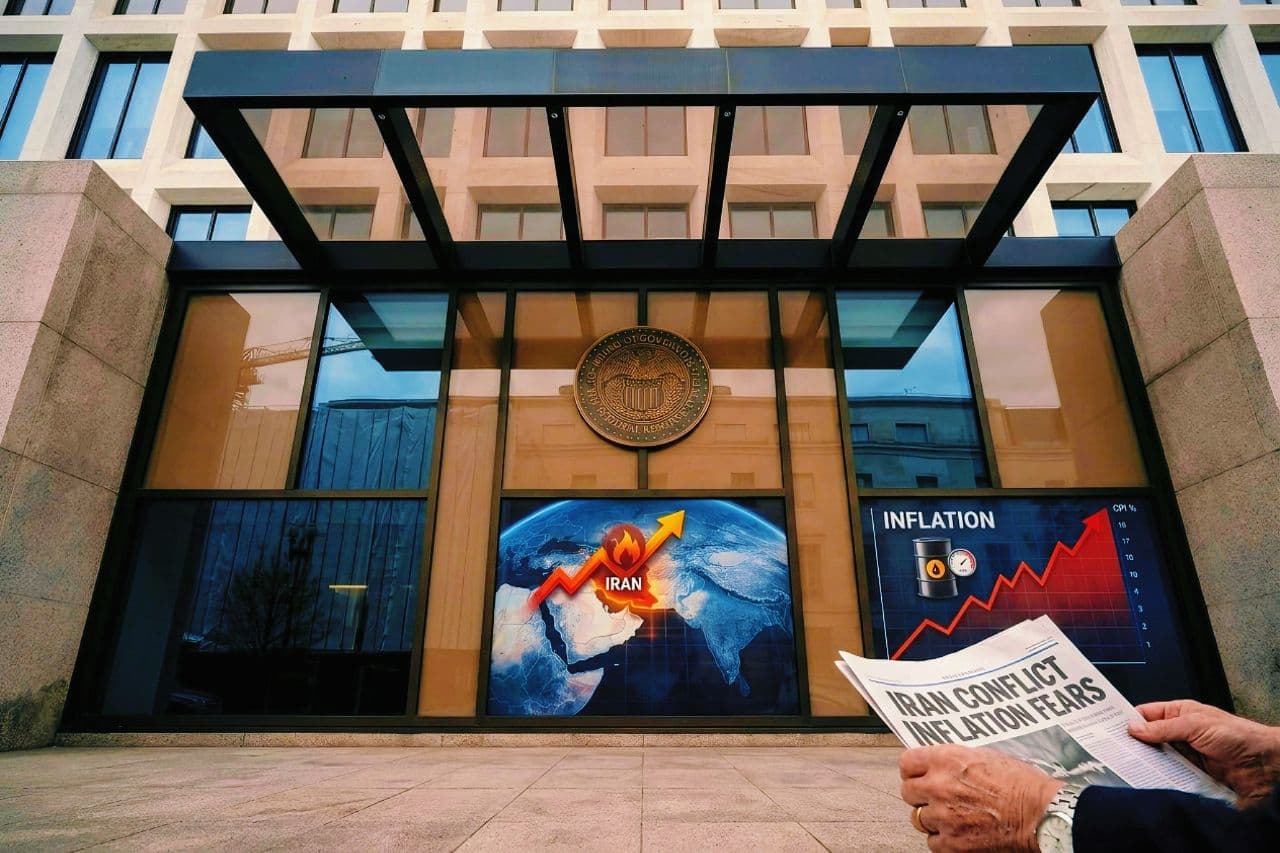
Iran War Fuels Inflation Fears – Fed Rate Hike Looms

Diesel Price Surge Threatens U.S. Economy – Inflation Risks Ahead

Iran War Timeline and Economic Impact – What Investors Need to Know

Nvidia Projects $1 Trillion Chip Sales – AI Stocks Poised for Growth