Oil Price Surge to $130: Recession Risk Ahead
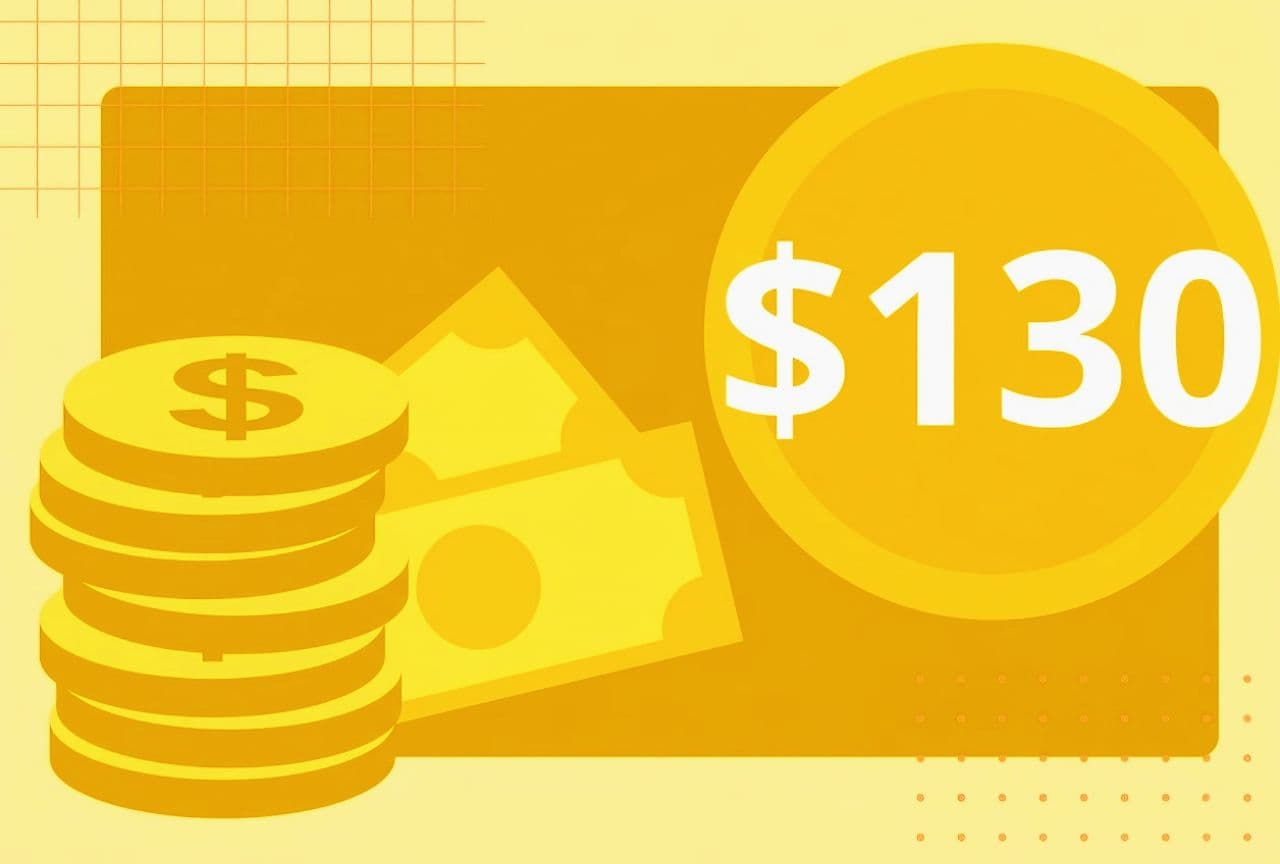
- Economists at Wells Fargo Securities caution that if crude oil prices climb to $130 a barrel and remain elevated, the U.S. economy could slip into recession. The Iran war has already disrupted tanker traffic through the Strait of Hormuz, fueling sharp swings in oil markets and raising concerns about prolonged instability.
- Recent volatility has seen oil prices surge and retreat within days, underscoring the difficulty of predicting near-term trends. Analysts warn that sustained high prices would ripple through the economy, pushing up gasoline and diesel costs, eroding consumer confidence, and reducing household spending power.
- The impact would not stop at the pump. Higher energy costs would weigh on businesses across transportation, manufacturing, and retail, forcing cutbacks that could lead to job losses. Economists argue that this chain reaction could weaken growth momentum and tip the economy into contraction.
- For investors, the message is clear: elevated oil prices are more than a market story they represent a systemic risk. Positioning portfolios to withstand energy-driven inflation and consumer weakness is critical as geopolitical tensions continue to drive volatility.
Key Takeaways
Oil at $130: Recession Trigger for the U.S.
Economists at Wells Fargo Securities warn that $130 a barrel is the critical threshold where oil prices could push the U.S. economy into recession. Sustained high costs would ripple through households and businesses, forcing consumers to cut back spending and companies to reduce hiring.
Chief economist Tom Porcelli explained that an oil shock becomes recessionary when slowing expansion turns into a self-reinforcing decline real income falls, consumption weakens, investment contracts, and job losses accelerate. This dynamic is already visible as employers shed 92,000 jobs in February, even before oil prices reached extreme levels.
The Iran war has fueled this volatility. Since late February, tanker traffic through the Strait of Hormuz has been restricted, sending Brent Crude briefly up to $117 per barrel, a 67% jump from prewar levels. Gasoline prices followed, climbing to a national average of $3.56 per gallon, up from $2.98 before the conflict.
Although prices eased to around $85 after President Trump hinted at a possible end to hostilities, the Energy Information Administration cautioned that ongoing risks could keep oil elevated. If storage fills behind the chokepoint, producers may shut in more supply, adding upward pressure. For investors and consumers alike, the $130 benchmark remains the danger zone where recession risks intensify.
Oil Price Benchmark: Recession Risk for the U.S. Economy
Economists highlight $130 a barrel as the critical recession threshold. If crude oil sustains that level, gasoline and diesel costs would surge, eroding consumer confidence and forcing households to cut back spending. Businesses, facing higher input costs, would likely reduce hiring, creating a self-reinforcing downturn.
The Iran war has already disrupted tanker traffic through the Strait of Hormuz, a chokepoint for 20% of global oil supply. This has driven extreme volatility, with Brent Crude spiking to $117 before easing. Gasoline prices have followed, climbing to a national average of $3.56 per gallon, up sharply from prewar levels.
Analysts warn that if vessel traffic remains restricted, oil storage behind the chokepoint could fill quickly, forcing producers to shut in more supply. That would lend further support to elevated prices, increasing the risk of recessionary pressure across the U.S. economy.
For investors and policymakers, the $130 benchmark is more than symbolic it’s a signal that energy-driven inflation could tip the economy into contraction. Monitoring oil’s trajectory is essential for anticipating consumer behavior, corporate margins, and broader market stability.
Oil Prices Ease, But Risks Still Loom Over U.S. Economy
After spiking toward recessionary levels, crude oil prices have retreated to around $85 per barrel, following President Donald Trump’s mixed signals about the war’s timeline. Markets welcomed the possibility that the Strait of Hormuz could reopen soon, raising hopes that gasoline prices might cool in the coming days.
Even with this relief, the energy crunch is striking at a vulnerable moment. Inflation remains stubbornly high, and the labor market is showing cracks employers shed 92,000 jobs in February, signaling stress even before oil’s surge. Elevated energy costs amplify these weaknesses, threatening to erode consumer confidence and spending power.
Economists at Wells Fargo warn that a sustained oil shock would be dangerous not only for its direct impact on household budgets but also for its psychological effect on consumers. Rising fuel costs often trigger fear-driven cutbacks, creating a self-reinforcing cycle of weaker demand, slower investment, and job losses.
For investors and policymakers, the takeaway is clear: while the recent price drop offers short-term relief, the $130 benchmark remains the danger zone. If oil climbs back toward that level and stays there, the U.S. economy could face recessionary pressures that extend well beyond the energy sector.
Oil Shock Outlook: Inflation, Sentiment, and Recession Risk
Economists warn that higher inflation expectations, weaker consumer sentiment, and tighter financial conditions could choke off growth. When households cut back spending and businesses hesitate to invest, the slowdown risks becoming self-reinforcing turning what already feels recessionary for many Americans into an actual downturn.
Forecasters are cautiously optimistic that oil and gas prices will ease later this year, but that hinges on the war ending soon and the Strait of Hormuz reopening. Brent Crude is expected to stay above $95 per barrel for two months before falling back to prewar levels by year-end, according to the Energy Information Administration.
Gasoline prices have already surged, averaging $3.58 per gallon in March, up sharply from prewar levels. The EIA projects they will retreat to around $3 by year-end, assuming supply chains normalize. Still, the near-term strain on consumers and businesses remains significant.
For investors and policymakers, the message is clear: the path of oil prices will dictate whether inflation stabilizes or worsens. If energy costs remain elevated, confidence could erode further, amplifying recession risks. The $130 benchmark remains the danger zone where economic contraction becomes far more likely.
The Bottom Line
Crude oil’s retreat to $85 per barrel has eased immediate fears, but the $130 threshold remains the critical danger zone for the U.S. economy. Sustained high prices would erode household spending, weaken business investment, and amplify inflationary pressures already weighing on consumers.
The Iran war’s disruption of the Strait of Hormuz continues to drive volatility, with Brent Crude spiking as high as $117 before easing. Gasoline prices have surged to $3.56 per gallon, and while forecasts suggest they may fall back toward $3 by year-end, that depends on the conflict ending soon.
Economists warn that beyond the direct financial strain, the psychological impact of rising energy costs could accelerate a downturn. Fear-driven cutbacks in spending and investment risk turning what feels recessionary into an actual contraction.
For investors and policymakers, the takeaway is clear: oil’s trajectory will dictate whether inflation stabilizes or worsens. If prices climb back toward $130 and remain elevated, recession risks will intensify, making diversification and cautious portfolio positioning essential.
Related Articles
Iran War March 2026: Rising Costs for Americans
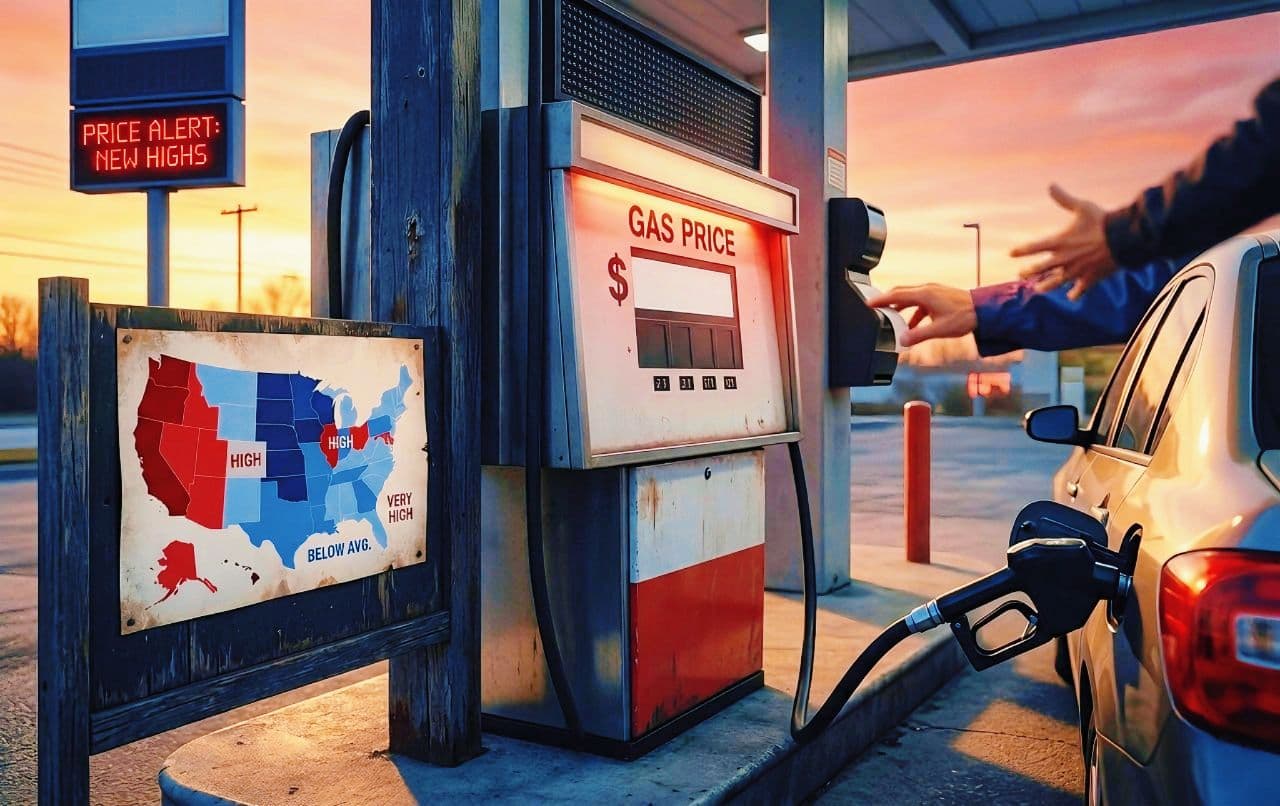
Gas Prices March 2026: Highest Since 2022 — State-by-State Pump Costs

March 2026 Market Outlook: Jobs Report, Retail Sales, Trade Balance, and Earnings from Nike & Conagra

Bitcoin Price Forecast 2026: Crypto Market Bottom and Recovery Trends
Iran War’s Impact on Your Finances

Gold Price Sell-Off: Investment Market Trends
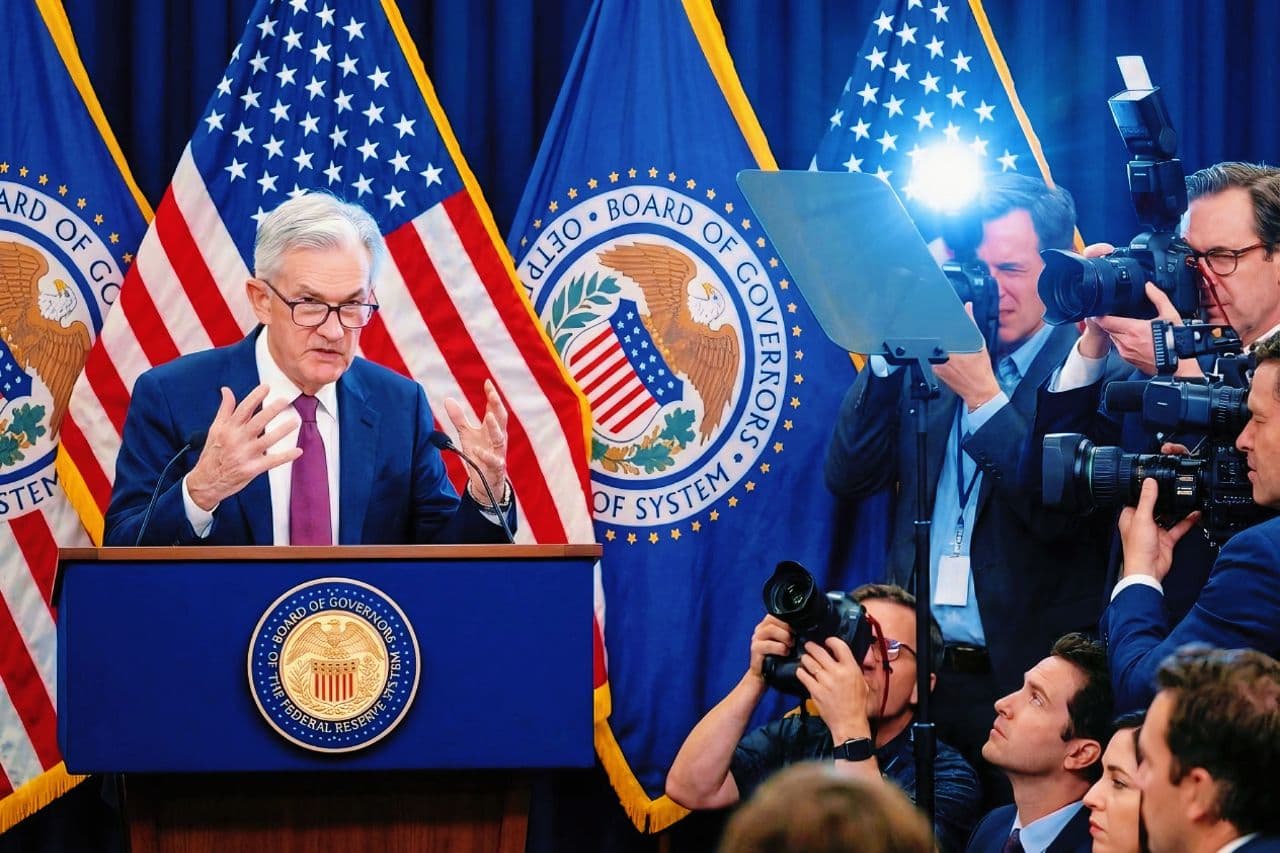
Fed Policy Meeting Begins – Inflation and Rate Outlook
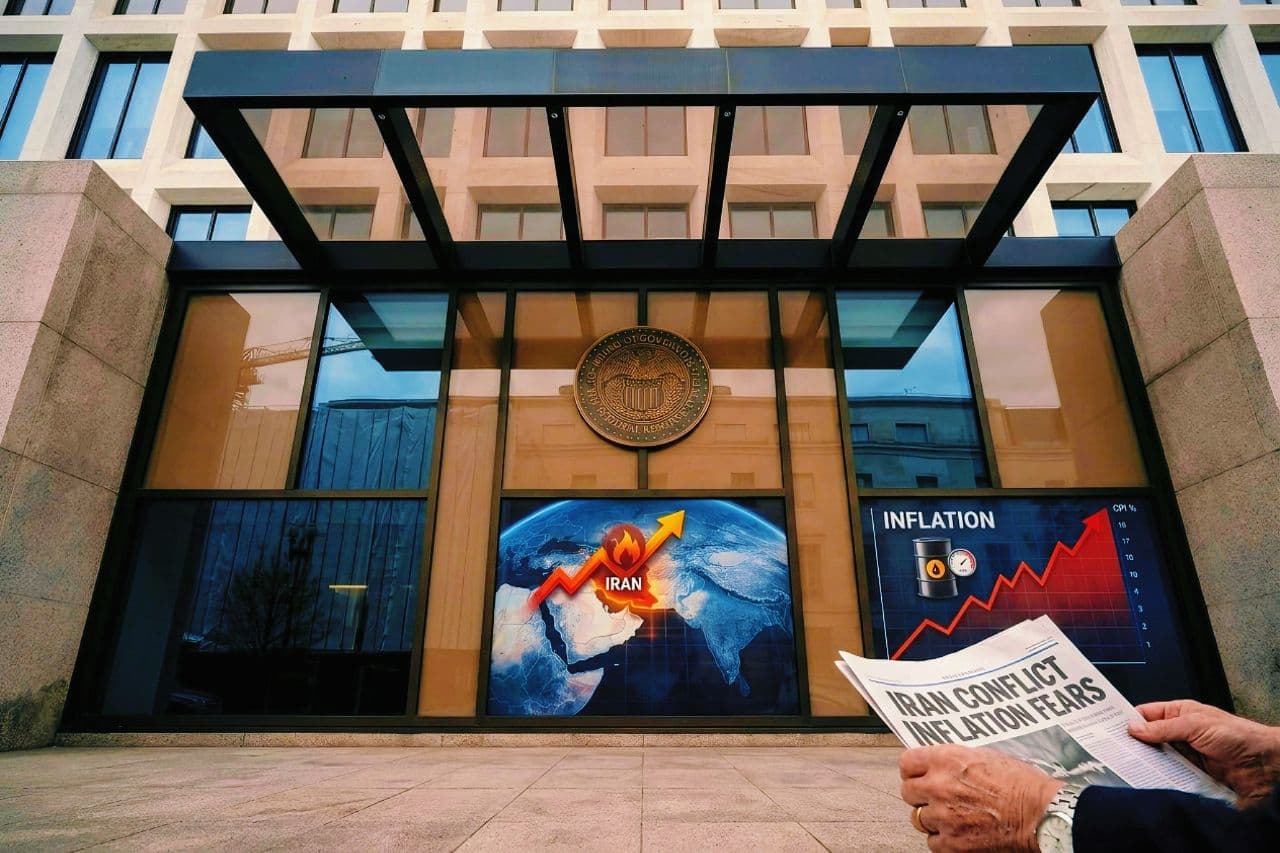
Iran War Fuels Inflation Fears – Fed Rate Hike Looms
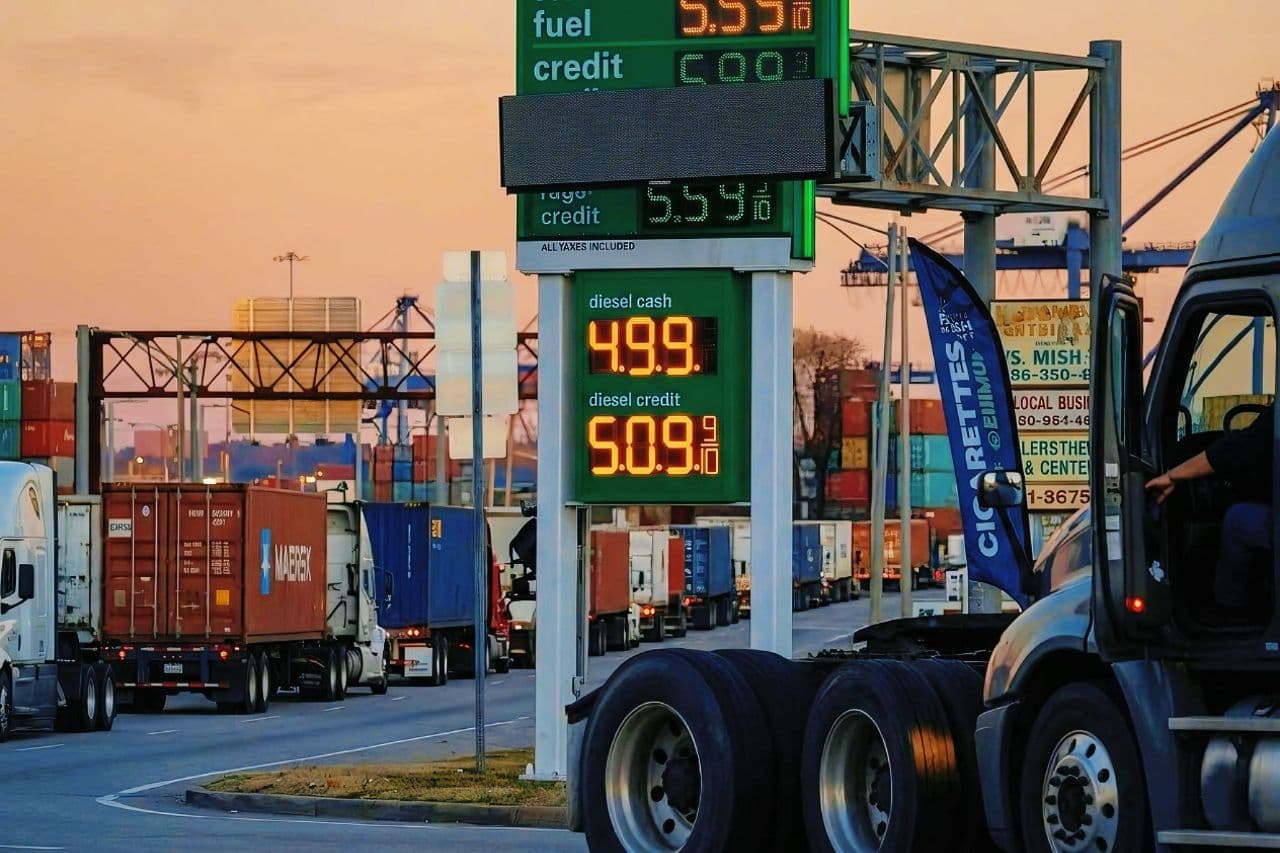
Diesel Price Surge Threatens U.S. Economy – Inflation Risks Ahead
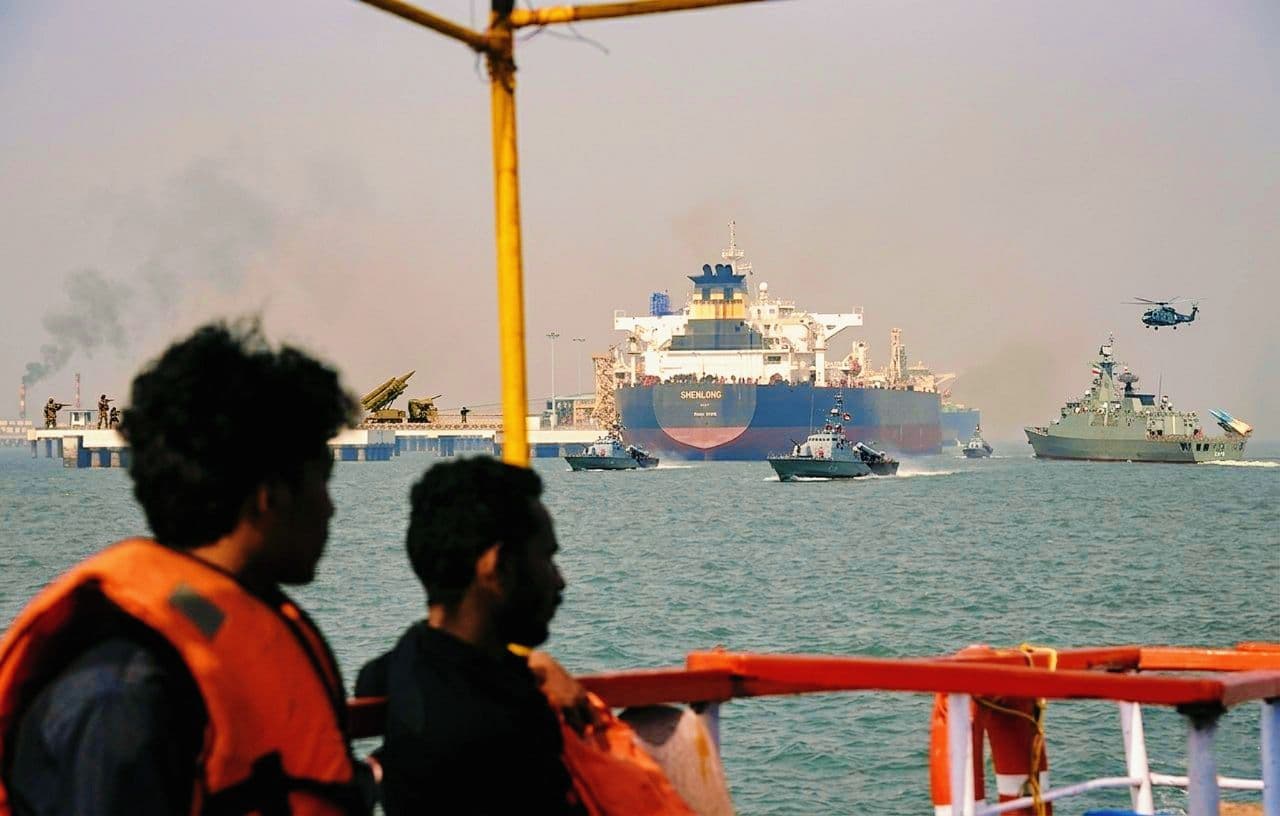
Iran War Timeline and Economic Impact – What Investors Need to Know
Wall Street Insider Warns of 2008-Style Market Crash – Investor Alert