Iran War Fuels U.S. Stagflation Risk
- Economists warn that the war in Iran is raising risks for both inflation and the labor market as energy supplies remain disrupted. With crude prices hovering near multi-year highs, the strain on consumers and businesses is intensifying, threatening to slow growth.
- The situation has parallels to the oil shock of the 1970s, which triggered stagflation a toxic mix of high inflation and weak growth. However, today’s economy is more diversified and less dependent on imported oil, creating important differences in how shocks may play out.
- Still, the risk is real. Persistent energy disruptions could compound inflationary pressures while weakening hiring and consumer confidence. Economists caution that if the conflict drags on, the probability of stagflation rises significantly.
- There is some hope: if the war ends quickly, the economic shock could fade. A resolution would ease supply constraints, stabilize energy markets, and reduce inflationary pressures, giving the U.S. economy room to regain momentum.
Key Takeaways
Stagflation Warning: Inflation and Growth Risks Collide
The war in Iran has pushed oil prices higher and disrupted global energy flows, raising fears that the U.S. economy could slide into stagflation a mix of high inflation and weak growth. Economists note the parallels to the 1970s, when similar conditions triggered prolonged economic pain, though today’s economy is more diversified and less dependent on imported oil.
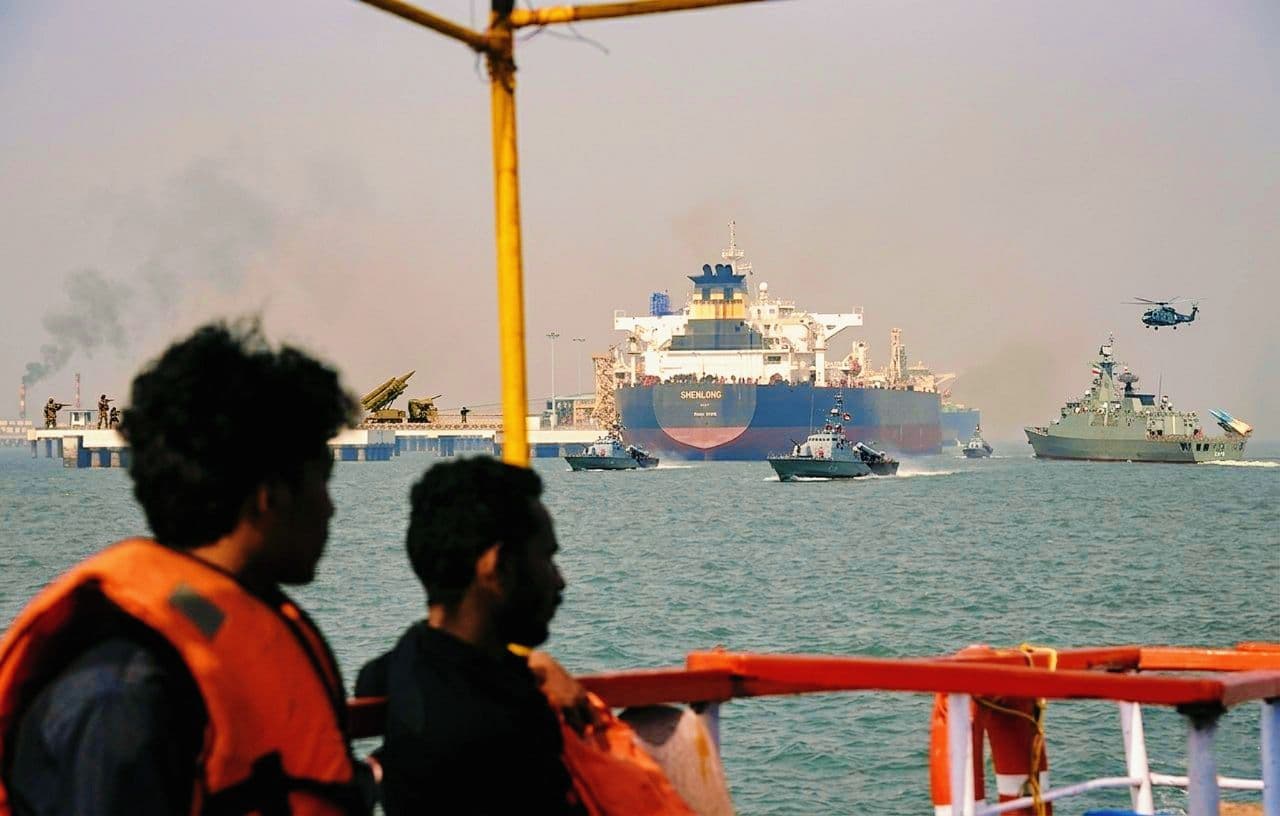
The closure of the Strait of Hormuz, which carries about 20% of the world’s crude supply, has amplified concerns. With leaders showing no signs of backing down, analysts warn that prolonged disruption could lift inflation, rattle investor confidence, and weaken global demand.
Sal Guatieri of BMO Capital Markets described the situation as the U.S. facing its “second stagflation-like shock inside a year,” following the trade war. He cautioned that inflation, bond yields, and energy supply chains are all under pressure, creating a volatile mix for both consumers and businesses.
Economists stress that the outcome depends on how long the conflict lasts. A quick resolution could ease oil markets and stabilize growth, but if the war drags on, the risks of stagflation will intensify, leaving households squeezed by higher prices and weaker job prospects.
Stagflation’s Economic Impact: Why It Matters
Stagflation is one of the most damaging scenarios for households and businesses because it combines two forces that usually don’t occur together: high inflation and weak job growth. For consumers, this means living standards decline on both fronts prices rise, reducing the dollar’s buying power, while the labor market weakens, cutting incomes and job security.
When inflation runs hot, everyday essentials like food, fuel, and housing become more expensive. At the same time, a stagnant labor market limits wage growth and reduces opportunities for employment. This imbalance squeezes households, leaving them with less disposable income and fewer ways to keep up with rising costs.
For businesses, stagflation erodes confidence and demand. Higher input costs from energy and supply chains collide with weaker consumer spending, forcing companies to cut back on hiring or investment. That cycle feeds back into the labor market, deepening the slowdown.
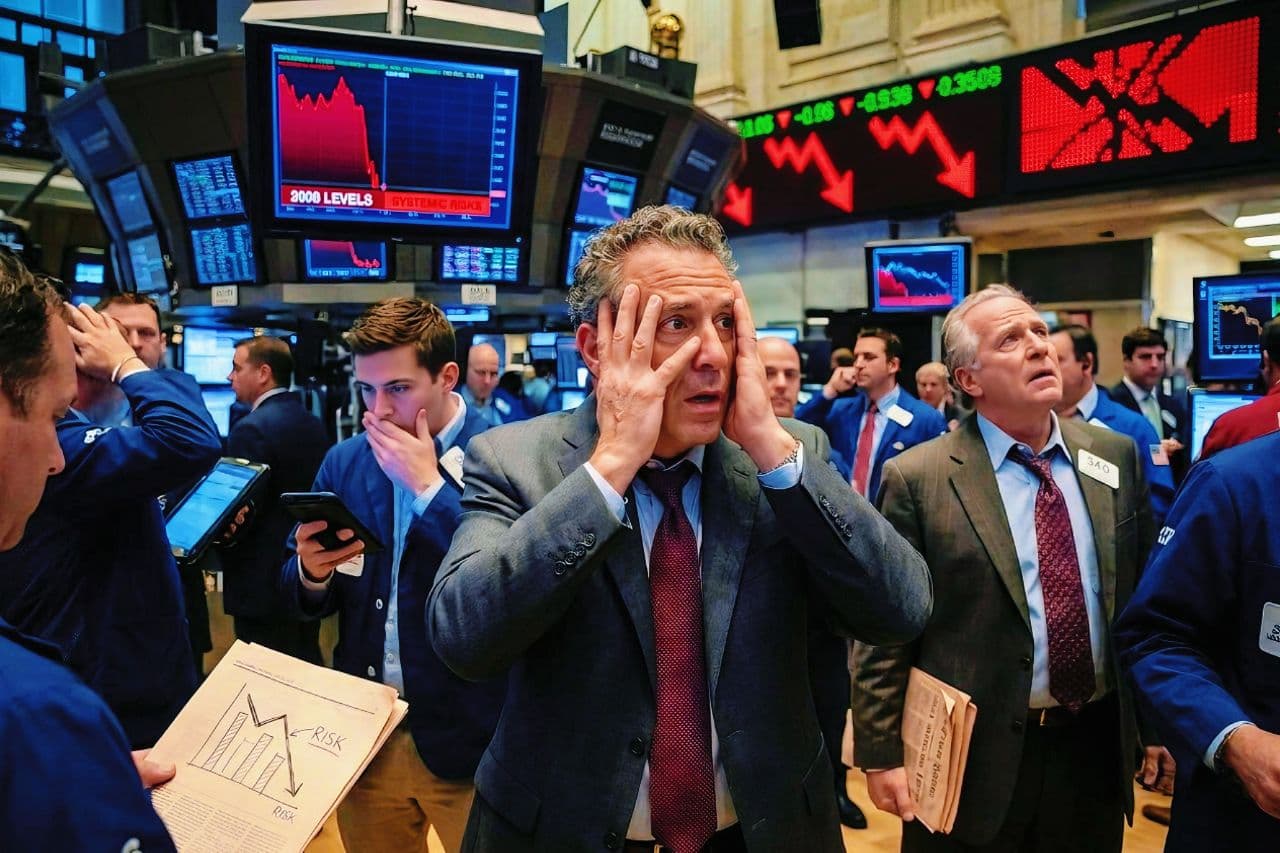
The broader economy suffers as financial conditions tighten, investor confidence weakens, and growth slows. Economists warn that if the Iran war continues to disrupt energy supplies, the U.S. could face prolonged stagflation pressures similar to the 1970s, with inflation and unemployment rising together.
Economic Outlook: Stagflation Risks Rising
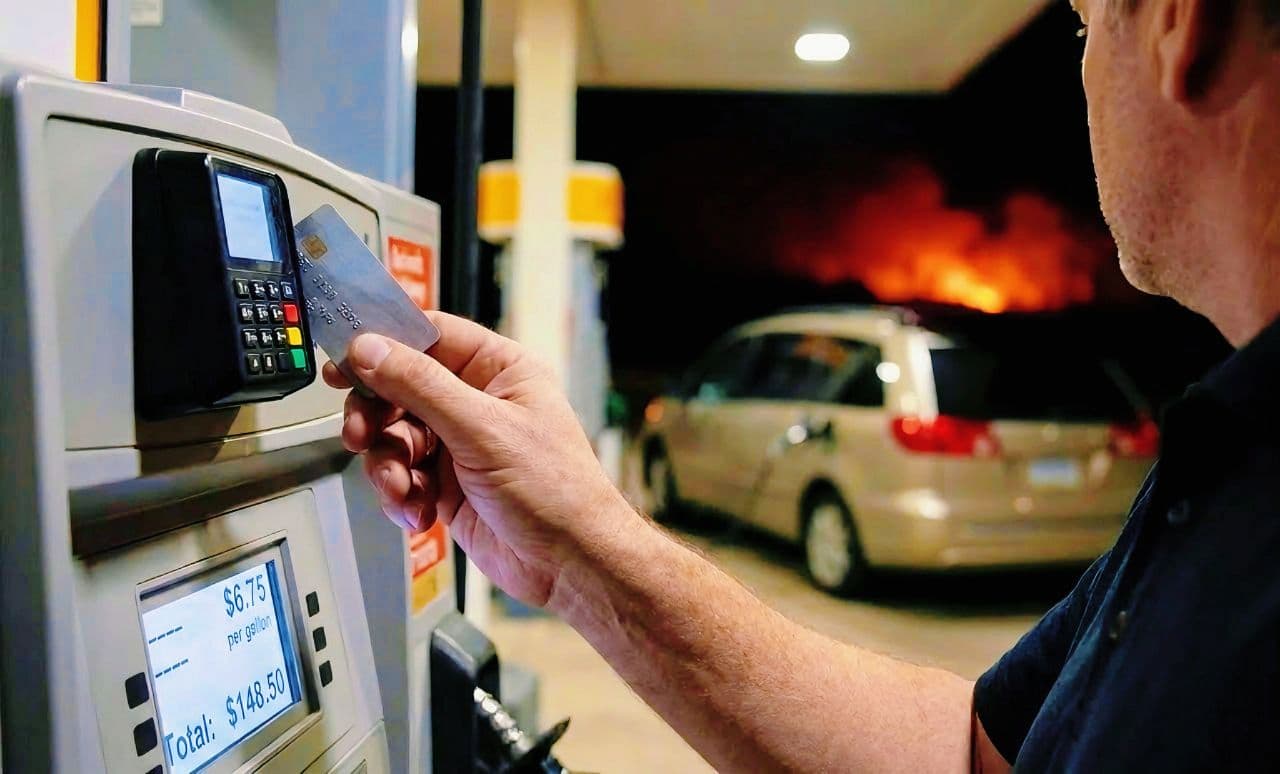
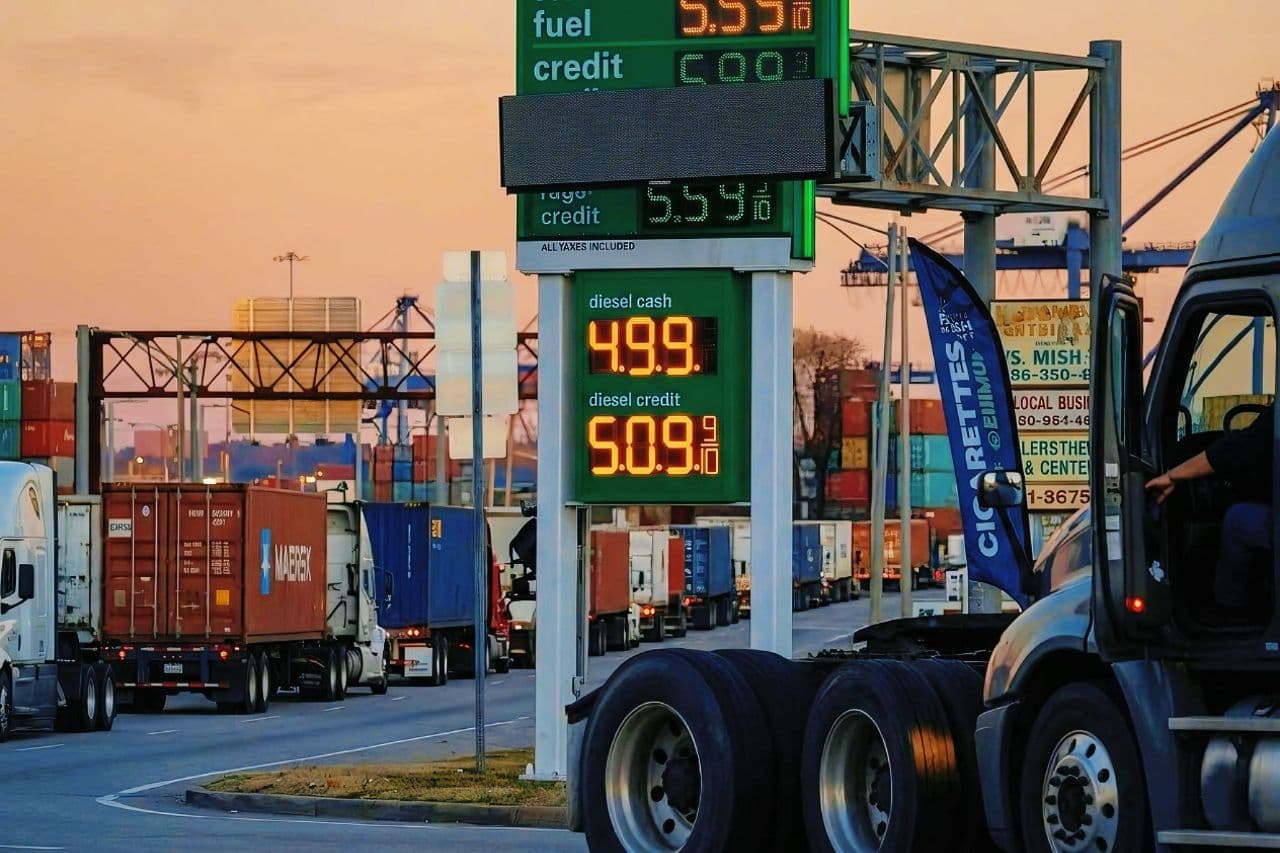
Economists warn that the Iran war is compounding pressures on an already fragile U.S. labor market. February saw a loss of 92,000 jobs before the conflict began, and now higher oil prices are expected to push the national average gas price from $3 to $4 per gallon. As Pantheon Macroeconomics’ Samuel Tombs noted, “Drivers soon will be paying $4 per gallon for gas, squeezing real disposable income and hitting jobs.”
The parallels to the 1970s oil shock are clear, but there are also important differences. Unlike the 1970s, the U.S. is now a major crude producer, and consumer expectations for future inflation are more contained reducing the risk of a wage-price spiral.
Still, Deutsche Bank’s Jim Reid cautioned that whether history repeats itself depends entirely on how long the conflict lasts. A prolonged war could sustain high energy prices, aggravate inflation, and deepen labor market weakness, raising the risk of stagflation.
What This Means for the Economy
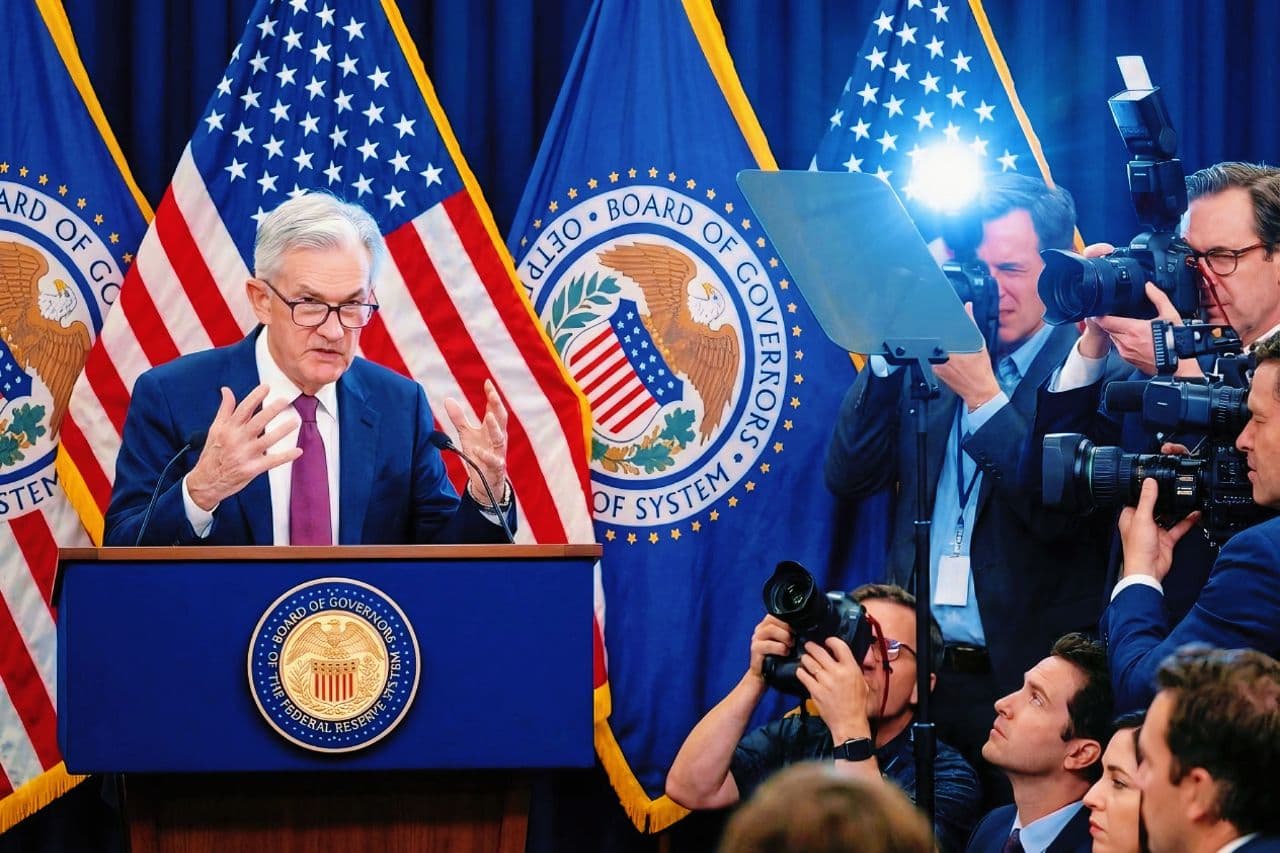
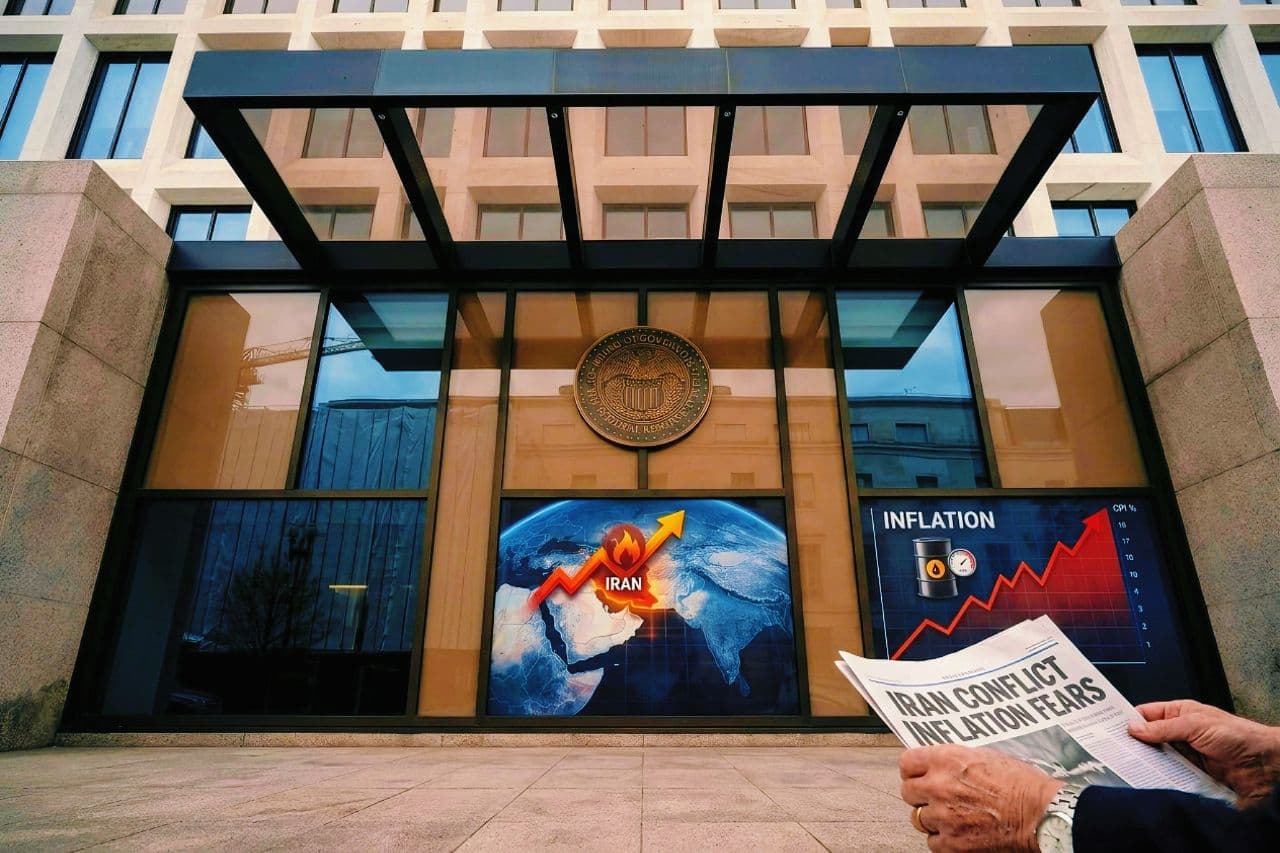
The Federal Reserve faces a dilemma as the Iran war drives oil prices higher and weakens an already fragile labor market. With inflation risks rising and job losses mounting, policymakers must balance their dual mandate: keeping inflation low while supporting employment.
Some Fed officials may argue for “looking through” the supply shock and focusing on stabilizing the labor market. Others warn against easing too early, fearing a repeat of past mistakes that allowed inflation to spiral. The result is likely to be a more divided Fed, greater policy uncertainty, and heightened volatility across bonds and equities.
President Donald Trump has downplayed the oil price spike, framing it as a temporary cost for “safety and peace.” Markets, however, remain cautious. Oil futures 12 months ahead are trading at $75 a barrel, suggesting investors aren’t pricing in a sustained shock.
Economists at Oxford Economics and Deutsche Bank note that the outcome hinges on the duration of the conflict. A quick resolution could stabilize energy markets, ease inflationary pressures, and allow equities to rebound. But if the war drags on, stagflation risks high inflation paired with weak growth will intensify.
The Fed is caught between inflation control and labor market support. The path forward depends on how long the conflict lasts, with short-term volatility almost guaranteed and long-term risks tied to the persistence of energy disruptions.
The Bottom Line
The Iran war has created a classic stagflation risk higher prices and weaker jobs leaving the Federal Reserve in a bind. Some policymakers may push to ease rates to support hiring, while others warn against repeating past mistakes by loosening too soon. That division means greater policy uncertainty and volatility across bonds and equities.
President Trump has dismissed the oil spike as temporary, but economists stress the outcome hinges on how long the conflict lasts. If it ends quickly, oil futures suggest prices could normalize, inflation pressures would ease, and equities could rebound. If not, the U.S. faces prolonged stagflation risks, with consumers squeezed by $4 gas and a weakening labor market.
Related Articles
Iran War March 2026: Rising Costs for Americans
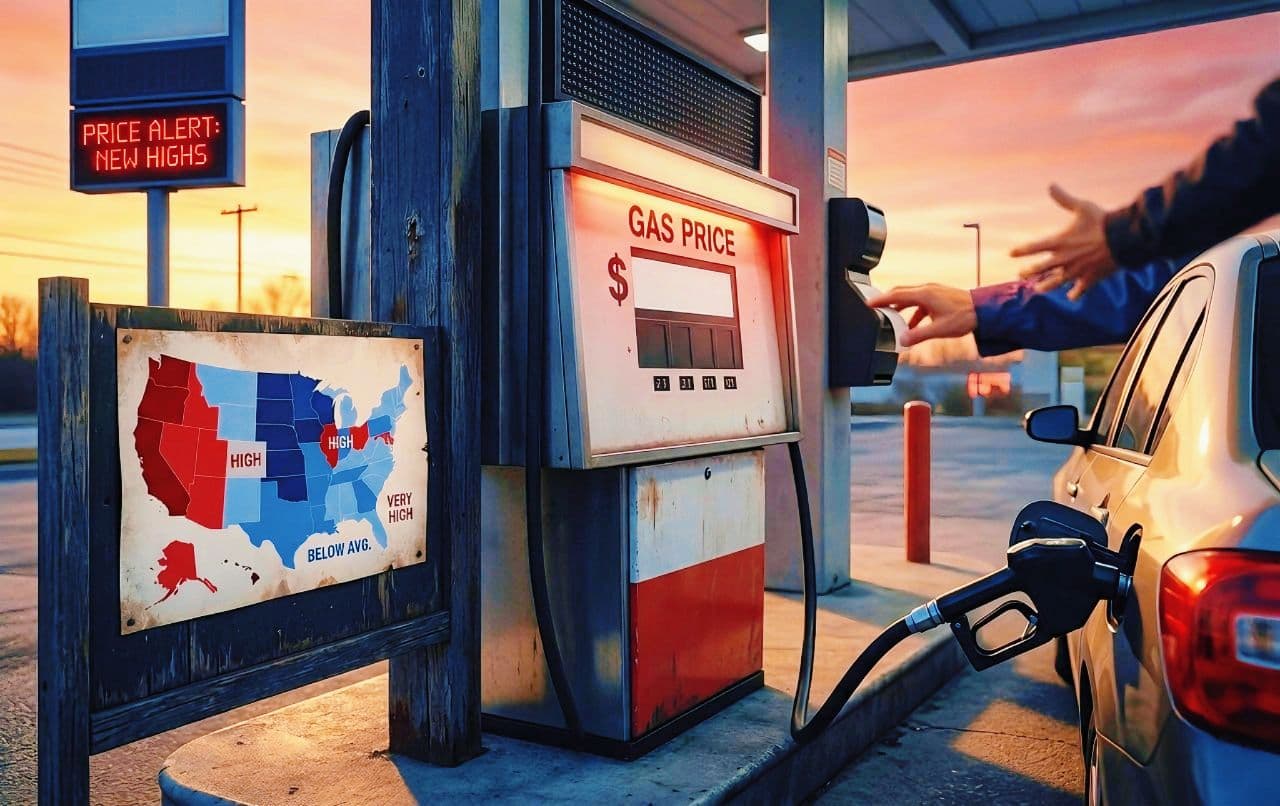
Gas Prices March 2026: Highest Since 2022 — State-by-State Pump Costs

March 2026 Market Outlook: Jobs Report, Retail Sales, Trade Balance, and Earnings from Nike & Conagra

Bitcoin Price Forecast 2026: Crypto Market Bottom and Recovery Trends
Iran War’s Impact on Your Finances
Gold Price Sell-Off: Investment Market Trends
Fed Policy Meeting Begins – Inflation and Rate Outlook
Iran War Fuels Inflation Fears – Fed Rate Hike Looms
Diesel Price Surge Threatens U.S. Economy – Inflation Risks Ahead
Iran War Timeline and Economic Impact – What Investors Need to Know
Wall Street Insider Warns of 2008-Style Market Crash – Investor Alert