Investor Outlook 2026: Preparing for Market Shocks
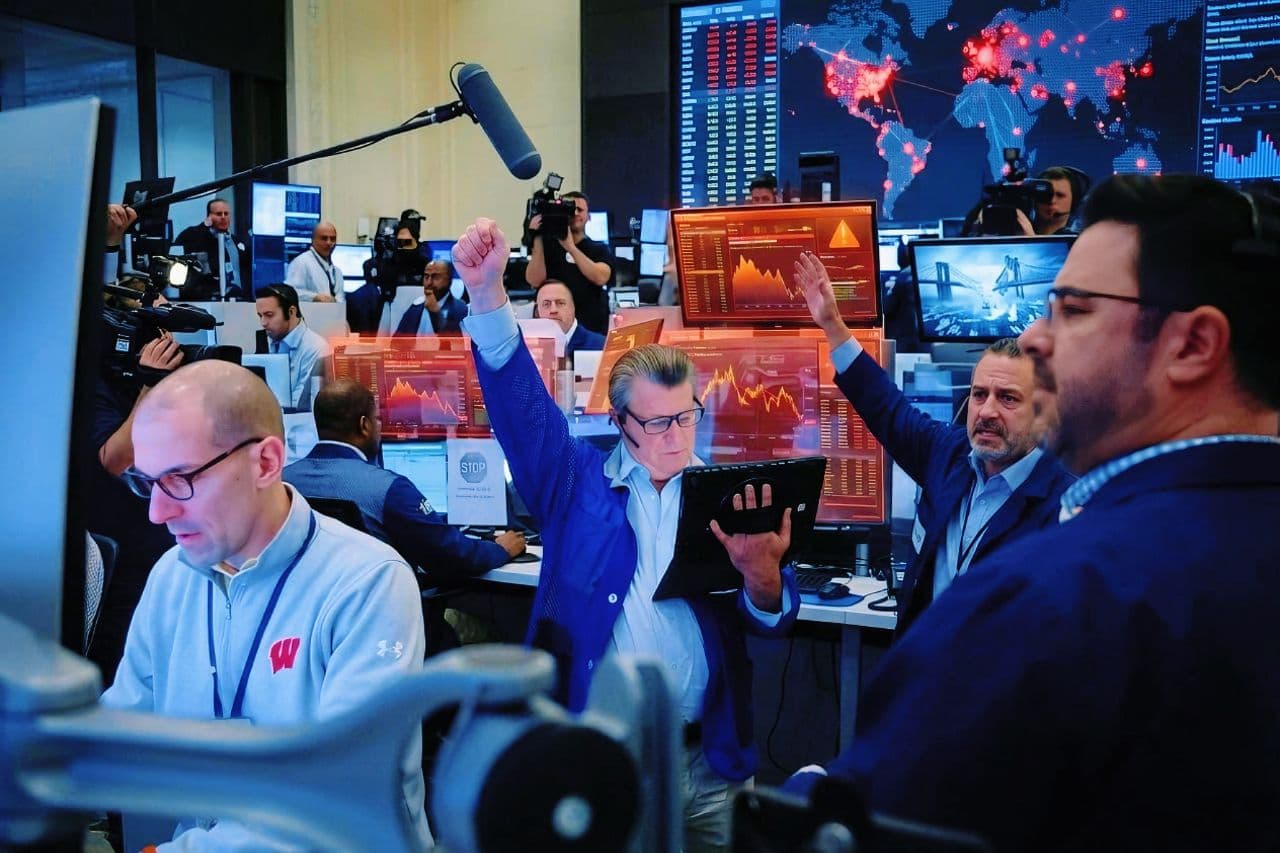
- The S&P 500 could fall between 10% and 15%, according to Ed Yardeni of Yardeni Research. Allianz chief economic advisor Mohamed El-Erian warns that investors should prepare for “more violent and frequent shocks” to the global economy this year, citing geopolitical risks and financial instability.
- These warnings highlight the fragility of current market conditions. After a strong rally in 2025, fueled by AI-driven stocks, analysts caution that heightened volatility could disrupt portfolios and test investor resilience.
- For investors, the message is clear: risk management and diversification are critical. Relying solely on momentum-driven gains leaves portfolios vulnerable to sudden downturns. Building defensive strategies and maintaining liquidity can help weather unexpected shocks.
- The broader implication is that global economic uncertainty may weigh on growth and investor confidence. Preparing for turbulence now ensures that portfolios remain resilient even if markets face sharp corrections.
Key Takeaways
Stock Market Jitters Return: Experts Warn Investors May Be Too Calm
Broad market indexes slipped to start the week, with the Dow and S&P 500 in the red as U.S. crude surged past $100 per barrel. The Cboe Volatility Index (VIX) briefly touched 30 a level signaling fear for the first time since last April’s global market crash. CNN’s Fear & Greed Index also pointed to “extreme” fear.
Despite these signals, many investors remain convinced the dislocation in U.S. stocks will be short-lived. Major banks report that clients’ equity positions suggest confidence in a rebound. Yet some experts caution that investors may not be pricing in the possibility of deeper risks, such as a market correction or even a recession.
The tension highlights a disconnect: sentiment gauges flash warning signs, but investor positioning suggests complacency. With geopolitical uncertainty and oil prices climbing, analysts argue that resilience may be tested more severely than markets currently anticipate.
Investor Risk Warning: Complacency in Volatile Markets
Investors appear to have grown accustomed to brief market shocks, but that comfort may be dangerous. With oil prices surging, geopolitical risks rising, and volatility indexes flashing fear, the potential for deeper disruptions is real. Analysts caution that this false sense of security could leave portfolios exposed at exactly the wrong time.
The danger lies in underestimating the scale of risks. While sentiment gauges like the VIX and CNN’s Fear & Greed Index point to heightened anxiety, investor positioning suggests confidence in quick rebounds. This disconnect highlights how complacency can blind investors to the possibility of corrections or recessions.
Complacency also weakens risk management. When investors assume shocks will be short-lived, they may neglect diversification, liquidity, and defensive strategies. That leaves portfolios vulnerable to sudden downturns, especially in a year where experts warn of “more violent and frequent shocks.”
The broader implication is clear: investors must prepare for turbulence. Building resilience now ensures portfolios can withstand volatility, rather than being caught off guard when markets shift sharply.
Investor Positioning 2026: Complacency vs. Market Shocks
Deutsche Bank’s research team noted that overall equity positioning has dipped slightly below neutral. They argue that a “profusion of shocks in the last four years” has conditioned investors not to react strongly to short-term disruptions. This muted response suggests a level of complacency that could prove risky if volatility intensifies.
Prediction markets reflect caution but not outright fear. On Polymarket, bettors place a 74% probability that the S&P 500 will end the month above 6500, implying less than a 5% decline from current levels. Such positioning indicates confidence in resilience, even as broader sentiment gauges flash warning signs.
Mohamed El-Erian, chief economic advisor at Allianz, highlighted a disconnect in investor expectations. While investors place an 80% probability that global economic shocks will be “temporary and reversible,” El-Erian himself sees the odds closer to 50%. He warns that the global economy is likely to face “more violent and more frequent shocks” this year.
The broader implication is clear: investors may be underestimating risks. With geopolitical tensions, energy price surges, and fragile sentiment, the potential for sharper corrections remains high. Complacency could leave portfolios exposed if shocks prove deeper and longer-lasting than markets currently anticipate.
Oil Prices and Global Supply Risks Threaten Market Stability
DataTrek analysts Nicholas Colas and Jessica Rabe emphasized that oil prices are the “lynchpin to the market,” warning that historically when crude prices double quickly, a recession often follows. With U.S. crude surging past $100 per barrel, the risk of economic fallout is rising.
Supply-chain disruptions are also being underestimated. Adrian Helfert, CIO of multi-asset strategies at Westwood, cautioned that the closure of the Strait of Hormuz threatens food and fertilizer supplies. Nearly one-third of the world’s fertilizer and almost half of globally exported urea pass through the strait, meaning any prolonged blockage could disrupt spring planting across major agricultural economies.
Ed Yardeni of Yardeni Research added that the S&P 500 could face a 10% to 15% pullback. He warned that if the Islamic Revolutionary Guard Corps succeeds in blocking the strait with drones and speedboats, the market impact could be severe, amplifying fears of stagflation.
Together, rising oil prices, fragile supply chains, and geopolitical risks create a volatile mix. Analysts argue that investors may be underestimating the scale of potential shocks, leaving portfolios vulnerable to sudden downturns in both equities and global growth.
The Bottom Line
Oil prices, geopolitical tensions, and fragile supply chains are converging to create a volatile environment for investors. Analysts warn that crude price spikes have historically preceded recessions, while disruptions in critical trade routes like the Strait of Hormuz threaten global food and fertilizer supplies.
Equity markets are vulnerable, with experts like Ed Yardeni predicting a potential 10% to 15% pullback in the S&P 500 if geopolitical risks intensify. The broader concern is that investors may be underestimating the scale of shocks, leaving portfolios exposed to sudden downturns.
Complacency in the face of rising volatility could prove costly. With sentiment gauges flashing fear and economic risks mounting, defensive strategies and diversification are essential to withstand turbulence.
The takeaway is clear: investors must prepare for sharper, more frequent shocks. Ignoring warning signs could leave portfolios vulnerable at a time when resilience matters most.
Related Articles
Iran War March 2026: Rising Costs for Americans
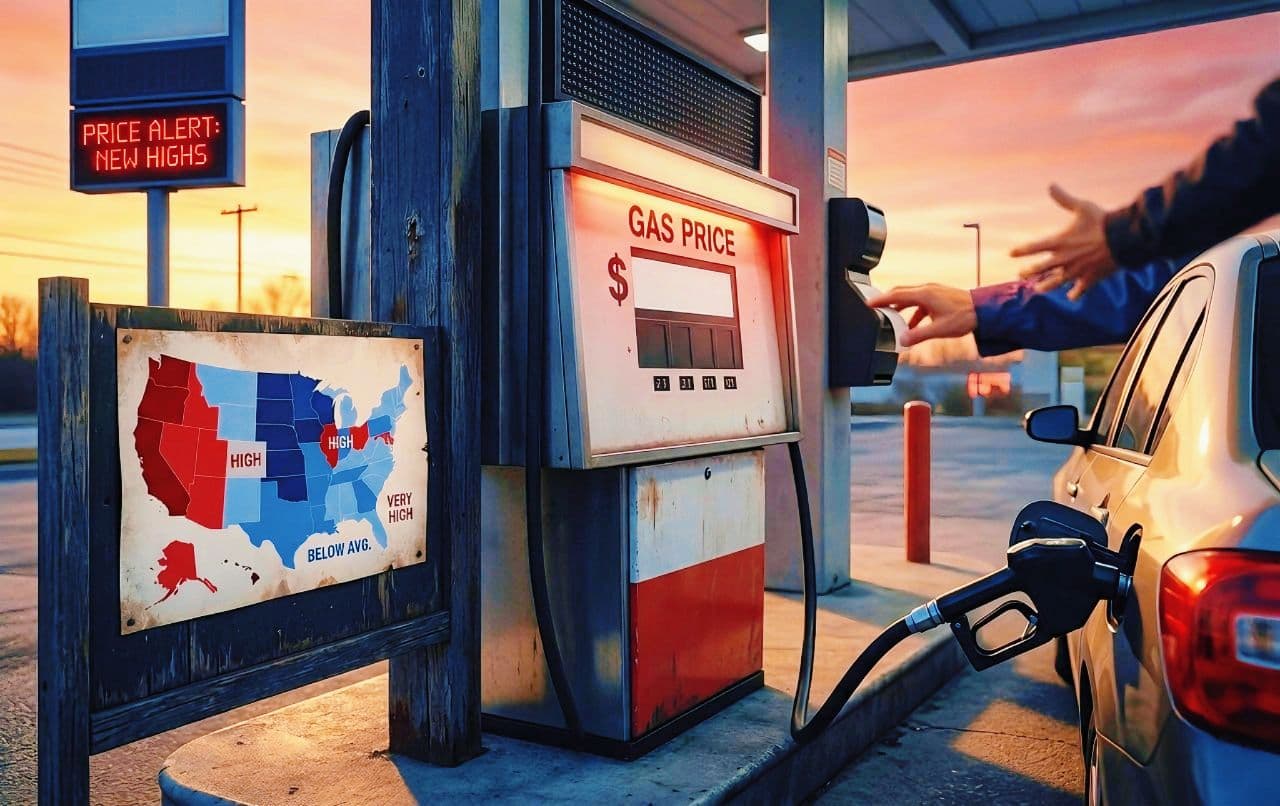
Gas Prices March 2026: Highest Since 2022 — State-by-State Pump Costs

March 2026 Market Outlook: Jobs Report, Retail Sales, Trade Balance, and Earnings from Nike & Conagra

Bitcoin Price Forecast 2026: Crypto Market Bottom and Recovery Trends
Iran War’s Impact on Your Finances

Gold Price Sell-Off: Investment Market Trends

Fed Policy Meeting Begins – Inflation and Rate Outlook
Iran War Fuels Inflation Fears – Fed Rate Hike Looms
Diesel Price Surge Threatens U.S. Economy – Inflation Risks Ahead

Iran War Timeline and Economic Impact – What Investors Need to Know
Wall Street Insider Warns of 2008-Style Market Crash – Investor Alert