Gas Prices Rising Fast Even as Oil Falls—Track Fuel Costs in Your State

- The national average gas price has climbed 6 cents to $3.54 per gallon today, even as crude oil prices have retreated. This rise underscores how pump costs are shaped by more than just oil markets, with refining margins, distribution challenges, and geopolitical risks driving the increase.
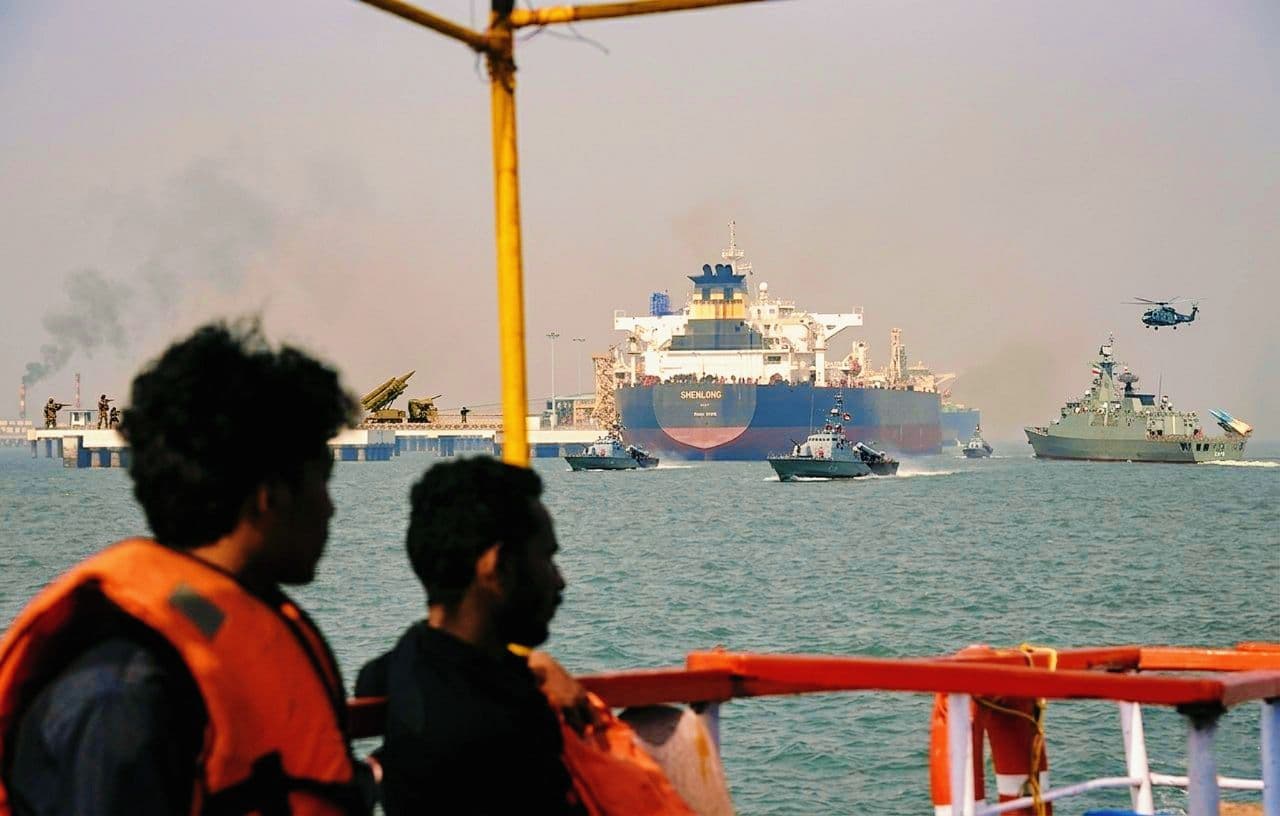
- Supply fears linked to the Iran war have added significant pressure, pushing prices up 56 cents since late February. These concerns ripple through global energy markets, amplifying volatility and keeping consumer costs elevated despite softer oil benchmarks.
- Regional disparities remain sharp. Only one state still reports prices below $3 per gallon, while California drivers face costs well above $5. This gap reflects differences in refining capacity, environmental regulations, and transportation expenses that shape local fuel markets.
- For households, the trend highlights the importance of monitoring local price trackers and adjusting travel or budgeting strategies. With geopolitical uncertainty and seasonal demand shifts in play, pump prices are likely to remain unpredictable in the near term.
Key Takeaways
Gas Prices Surge Past $3.50 as Oil Retreats—Track Local Fuel Costs
Oil prices finally edged lower Tuesday after climbing steadily since the Iran conflict began, but drivers aren’t seeing relief at the pump. The national average for regular gas rose 6 cents overnight to $3.54 per gallon, according to AAA, marking a 56-cent increase since late February. This surge follows a rare stretch where prices held below $3 for 13 straight weeks the longest run in the $2 range since 2021.
The lag between crude oil markets and retail gasoline explains why pump prices continue to rise even as oil pulls back. Stations sell fuel refined from oil purchased days or weeks earlier, so when crude climbs for several sessions as it did for more than a week gas prices often keep rising despite short-term dips in oil benchmarks.
This dynamic highlights the complexity of fuel pricing. Refining margins, supply chain constraints, and geopolitical risks all contribute to what drivers pay. Even temporary oil declines may not translate into immediate relief, especially when global tensions and seasonal demand shifts remain in play.
For consumers, the takeaway is clear: pump prices don’t move in lockstep with oil markets. Monitoring local averages and adjusting travel or budgeting strategies can help households manage costs during these volatile swings.
Why Gas Prices Stay High Even as Oil Falls—State-by-State Fuel Costs
Gas prices don’t fall as quickly as crude oil, which means relief at the pump often lags behind market shifts. Even if oil continues dropping, drivers may not see immediate savings because stations are selling fuel refined from oil purchased days or weeks earlier. This delay keeps pump prices elevated despite short-term declines in global benchmarks.
What you pay also depends heavily on your state. The spread between the cheapest and most expensive markets can exceed $2 per gallon, reflecting differences in taxes, refining capacity, and transportation costs. States with stricter environmental rules or limited refinery access tend to face higher prices, while regions closer to pipelines and production hubs often benefit from lower costs.
California remains the most expensive market, with averages well above $5 per gallon, while Kansas is the only state still reporting prices under $3. These disparities highlight how local infrastructure and policy decisions shape consumer costs, regardless of broader oil trends.
For households, the key takeaway is that pump prices are influenced by structural factors beyond crude oil. Monitoring local averages and adjusting travel or budgeting strategies can help manage expenses until the lag between oil and gasoline narrows.
Cheapest and Most Expensive Gas Prices Across the U.S.—Track Your State’s Fuel Costs
Gas prices vary sharply depending on location, with the national average climbing but state-level costs showing wide disparities. As of March 10, Kansas remains the only state where regular gas averages below $3 per gallon, according to AAA. Every other state has now crossed that threshold, reflecting the nationwide surge in pump prices.
California drivers continue to face the steepest costs, with averages well above $5 per gallon. This extreme gap compared to Kansas highlights how regional refining capacity, environmental regulations, and transportation expenses shape consumer fuel costs. States with stronger infrastructure and proximity to pipelines tend to fare better, while those with stricter rules or limited refining access see higher prices.
The spread of more than $2 per gallon between the cheapest and most expensive states underscores the importance of monitoring local averages. Even as oil prices fluctuate, regional dynamics often dictate what households pay at the pump.
For consumers, the takeaway is clear: national averages tell only part of the story. Tracking state-level prices can help drivers plan travel, manage budgets, and identify opportunities to save when crossing regional boundaries.
Gas Prices Top $4 in Five States—California Leads at $5.29
At the high end, five states are now averaging more than $4 per gallon: Washington, Hawaii, Nevada, Oregon, and California. California remains the most expensive market in the nation, with drivers paying an average of $5.29 per gallon. This sharp rise underscores how regional refining limits, environmental regulations, and transportation costs drive significant differences across the country.
The result is a spread of $2.33 per gallon between the cheapest and most expensive states. Kansas, still below $3 per gallon, highlights the stark contrast compared to California’s elevated costs. These disparities show how local infrastructure and policy decisions heavily influence what consumers pay at the pump.
For drivers, the takeaway is clear: national averages mask the wide range of state-level realities. Monitoring local fuel trackers and adjusting travel or budgeting strategies can help households manage expenses during these volatile swings.
With geopolitical tensions and seasonal demand shifts still in play, pump prices are likely to remain unpredictable, making regional comparisons essential for understanding the true cost of fuel.
Gas Prices Back Above $5 in California—National Average Still Lower
The national average briefly topped $5 per gallon in June 2022, marking one of the most expensive stretches for drivers in recent history. Amid this week’s surge, California’s average has once again climbed above that mark, cementing its position as the priciest fuel market in the country.
Most states, however, remain in the $3 range, showing how regional dynamics create sharp contrasts in what drivers pay. Factors such as refining capacity, environmental regulations, and transportation costs continue to push California’s prices far higher than the national average.
This divergence highlights the importance of tracking state-level fuel costs rather than relying solely on national averages. While crude oil trends set the broader tone, local infrastructure and policy decisions ultimately determine whether drivers face $3 or $5 at the pump.
For households, the lesson is clear: pump prices are shaped by more than oil markets. Monitoring local averages and adjusting travel or budgeting strategies can help manage expenses during these volatile swings.
Why Gas Prices Differ So Much by State—Fuel Costs Explained
The wide differences in state gas prices aren’t random they reflect structural factors that shape how fuel is taxed, produced, and delivered across the country. Fuel taxes are one of the biggest drivers of variation. According to the U.S. Energy Information Administration, federal and state taxes accounted for more than 14% of the average price per gallon in 2023. States that levy higher gasoline taxes and fees pass those costs directly to consumers, while states with lower tax burdens keep pump prices more affordable.
Geography and infrastructure also play a critical role. States closer to major refineries or pipeline networks benefit from lower transportation costs, while more isolated markets face supply constraints that push prices higher. This explains why Midwest states often enjoy cheaper fuel compared to coastal regions with limited refining capacity.
Environmental rules add another layer of complexity. California, for example, requires a cleaner-burning gasoline blend that relatively few refineries produce. This specialized fuel contributes to persistently higher prices in the state, making California consistently the most expensive market in the nation.
When oil prices rise sharply, these built-in cost differences amplify the impact in already expensive states. And even when crude pulls back, those underlying factors don’t disappear helping explain why the gap between states can remain wide, with spreads of more than $2 per gallon between the cheapest and most expensive markets.
The Bottom Line
Even though crude oil prices have retreated, drivers aren’t seeing immediate relief at the pump. The national average continues to climb, with sharp disparities across states ranging from under $3 in Kansas to well above $5 in California.
This disconnect reflects structural factors: refining margins, taxes, environmental rules, and regional infrastructure all play a role in shaping what consumers pay. Oil market shifts set the tone, but local realities determine the final cost.
For households, the key takeaway is that pump prices won’t drop in lockstep with crude oil. Relief may take time, and regional differences will remain wide. Monitoring local averages and adjusting travel or budgeting strategies is the most practical way to manage expenses during this volatile period.
Related Articles
Iran War March 2026: Rising Costs for Americans
Gas Prices March 2026: Highest Since 2022 — State-by-State Pump Costs

March 2026 Market Outlook: Jobs Report, Retail Sales, Trade Balance, and Earnings from Nike & Conagra

Bitcoin Price Forecast 2026: Crypto Market Bottom and Recovery Trends

Iran War’s Impact on Your Finances

Gold Price Sell-Off: Investment Market Trends

Fed Policy Meeting Begins – Inflation and Rate Outlook
Iran War Fuels Inflation Fears – Fed Rate Hike Looms
Diesel Price Surge Threatens U.S. Economy – Inflation Risks Ahead
Iran War Timeline and Economic Impact – What Investors Need to Know

Wall Street Insider Warns of 2008-Style Market Crash – Investor Alert