Expert Market Outlook as Iran War Impacts Global Economy
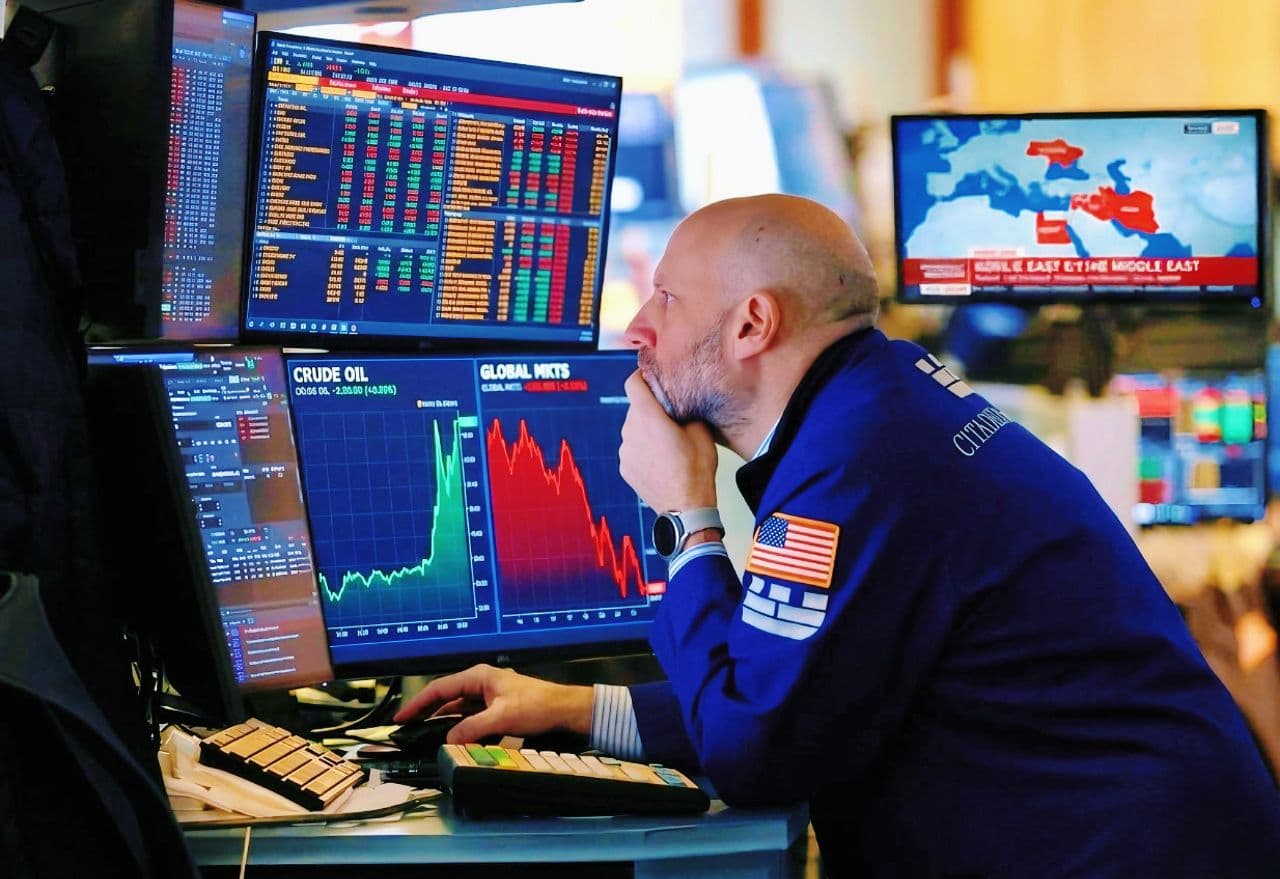
- The war in Iran has done little to dent the stock market this week, reinforcing Wall Street’s belief that disruptions to energy markets will be short-lived and have minimal impact on the broader economy. Investors appear confident that oil supply concerns will stabilize, keeping inflationary pressures contained in the near term.
- However, some analysts caution that markets may be underestimating the risks tied to instability within Iran. Prolonged conflict could create deeper energy shocks, which in turn might unsettle global growth and investor sentiment.
- Another concern is inflation expectations. If energy prices remain volatile, inflation could become unanchored, forcing central banks to maintain tighter monetary policies for longer. This scenario would weigh heavily on equities and increase borrowing costs across sectors.
- While markets are showing resilience, the underlying risks remain significant. Investors should remain alert to geopolitical developments, as the situation in Iran could quickly shift from a minor disruption to a major economic challenge.
Key Takeaways
Middle East Conflict Drives Market Volatility as Oil Surges
War in the Middle East fueled a volatile week for stocks, though the damage was less severe than many expected. Despite four straight days of conflict involving the U.S., Israel, and Iran and a more than 20% jump in oil prices the S&P 500 ended Friday down less than 1%. Analysts suggest this modest decline reflects optimism that the situation may not escalate further.
David Solomon, CEO of Goldman Sachs, explained that investors are focused on whether the conflict will disrupt economic growth, particularly energy supply chains. Markets have been encouraged by efforts to stabilize oil flows, with strong support aimed at preventing long-term damage to global trade.
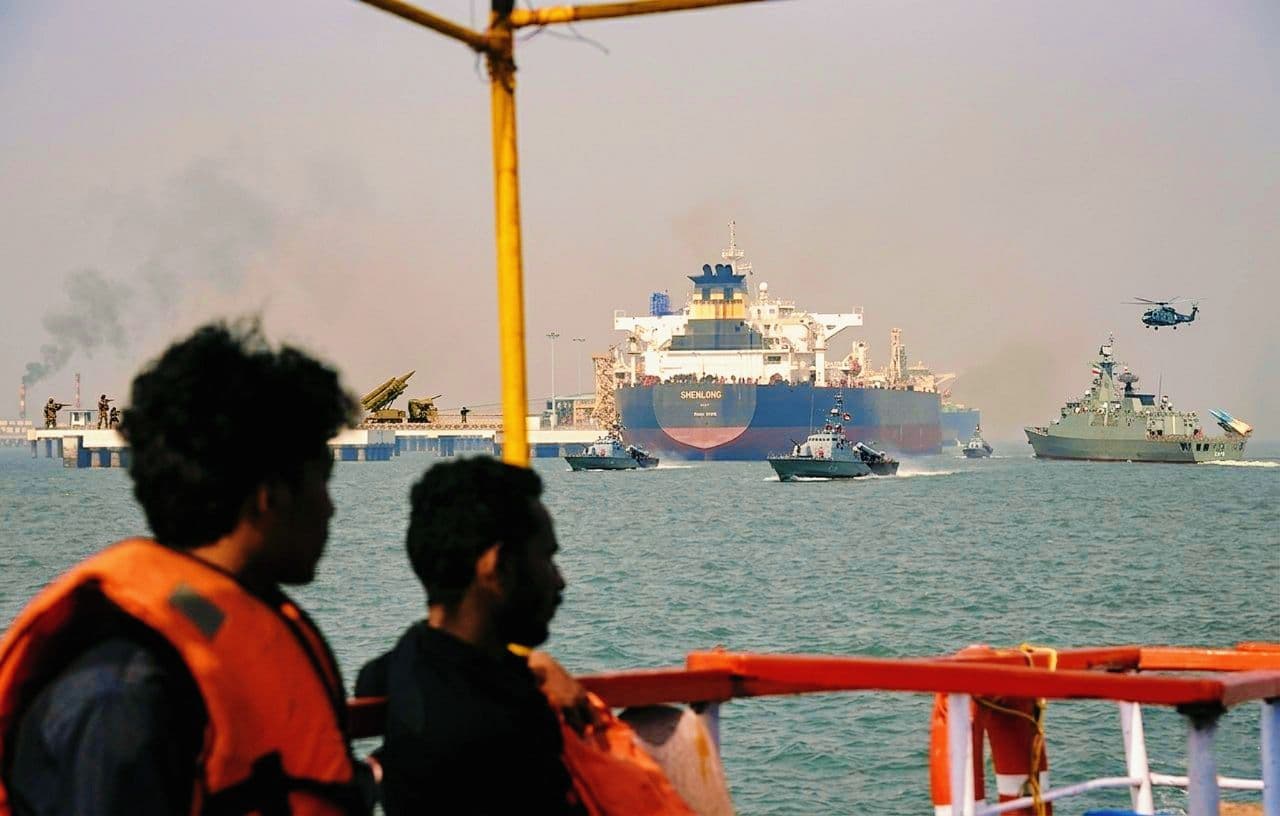
Early in the week, investor sentiment was buoyed by the Trump administration’s assurances that the operation could end within weeks. Financial and military backing was pledged to keep oil tankers moving through the Strait of Hormuz, a critical energy corridor.
However, optimism faded as Iran targeted regional energy infrastructure and tankers remained stranded. Rising oil prices continued to pressure markets, underscoring the risks of prolonged instability. While equities held up better than expected, the longer-term outlook hinges on whether energy disruptions deepen and inflationary pressures intensify.
Market Resilience Tested as Iran War Drives Oil Prices Higher
The stock market has endured a turbulent year, facing unpredictable trade policies, a weakening jobs market, uncertainty around artificial intelligence, and multiple geopolitical shocks. Now, with war in Iran adding fresh volatility, investors are watching closely to see how resilient markets remain under pressure.
Despite the conflict, equities have shown surprising stability. Analysts suggest this resilience reflects optimism that disruptions to energy markets will be contained. However, the real test lies in how the market responds to rising oil prices, which remain the most immediate threat to economic growth.
Energy costs ripple through every sector, from manufacturing to consumer spending. If oil prices continue to climb, inflation could accelerate, forcing central banks to maintain tighter monetary policies. That scenario would weigh heavily on stocks and borrowing costs, making resilience harder to sustain.
Ultimately, the market’s ability to weather the war in Iran will hinge on its capacity to absorb higher energy costs without derailing growth. Investors should remain cautious, as the balance between optimism and risk could shift quickly if oil supply chains face deeper disruption.
U.S. Economy Faces Oil Price Risks Amid Iran War
Economists argue that higher oil prices may not severely impact the U.S. economy thanks to America’s position as the world’s leading producer of oil and natural gas. Goldman Sachs recently projected that if oil rises above $100 a barrel, headline inflation would increase by 0.6 percentage points and GDP would slip by 0.3 points outcomes far less damaging than what other economies could face. This energy independence has led analysts like Citigroup’s Scott Chronert to call U.S. markets “a bit of a safe haven” for global investors.
Still, experts warn that risks remain. Darren Peers of Capital Group noted that instability in Iran could affect not only transport but also production, creating long-term disruptions in global oil supply. Persistent attacks on energy infrastructure could keep prices elevated for months, challenging the resilience of U.S. markets.
Another concern is consumer psychology. After years of elevated inflation, a sudden jump in energy costs could lead households to expect broader price increases. Goldman Sachs estimates that every $10 rise in oil typically lifts inflation expectations by 0.04 percentage points, but when inflation is already high, the effect can triple. This dynamic could weigh on consumer spending and economic activity.
Economist Paul Krugman emphasized that oil prices above $100 alone won’t trigger runaway inflation or recession. However, combined with tariffs, immigration policy drag, AI-related labor uncertainty, and financial system stress, the Iran conflict could become the tipping point. The longer the war continues, the heavier its economic burden may grow.
Economic Health Key to Market Resilience Amid Iran War
The overall strength of the U.S. economy is proving to be the decisive factor in how markets respond to geopolitical shocks. George Smith, portfolio strategist at LPL Financial, described the economy’s proximity to recession as “the single most important factor determining market performance after a shock.” His research into more than two dozen major geopolitical events since World War II shows that context matters: outside of a recession, stocks rose nearly 10% in the year following such events, while in or near a recession, they fell by the same amount.
This historical perspective highlights why investors are watching economic indicators closely. The S&P 500’s resilience during past crises was often tied to strong underlying growth, but when the economy was fragile, markets struggled to recover. The current environment, marked by uncertainty and elevated risks, makes economic health the critical variable in determining whether markets can withstand the Iran conflict.
Fresh labor market data underscored those concerns. The U.S. shed an estimated 92,000 jobs last month, surprising economists who had expected growth. This unexpected decline revived worries that slow hiring and rising unemployment could weaken consumer spending, which remains the primary driver of economic activity.
For investors, the message is clear: geopolitical shocks alone may not derail markets, but when combined with signs of economic weakness, the risks multiply. The trajectory of the U.S. economy will ultimately determine whether markets can weather the storm or face deeper declines.
The Bottom Line
The health of the U.S. economy is the ultimate driver of how markets respond to geopolitical shocks. History shows that when the economy is strong, stocks can rebound quickly after crises, but when recession risks loom, markets falter. The recent loss of 92,000 jobs underscores that the economy is not on solid footing, raising concerns about consumer spending and growth.
Geopolitical events like the Iran war add volatility, but their impact is magnified when combined with weak fundamentals. Rising oil prices, inflationary pressures, and slowing job growth create a fragile backdrop that could tip markets lower if conditions worsen.
Investors should recognize that resilience depends less on the conflict itself and more on whether the U.S. economy can withstand higher energy costs and labor market weakness. Without strong consumer demand, markets may struggle to recover from shocks.
In short, the Iran conflict is testing the limits of economic resilience. If growth continues to weaken, this geopolitical crisis could accelerate a downturn, making vigilance and diversification essential for investors.
Related Articles

Iran War March 2026: Rising Costs for Americans
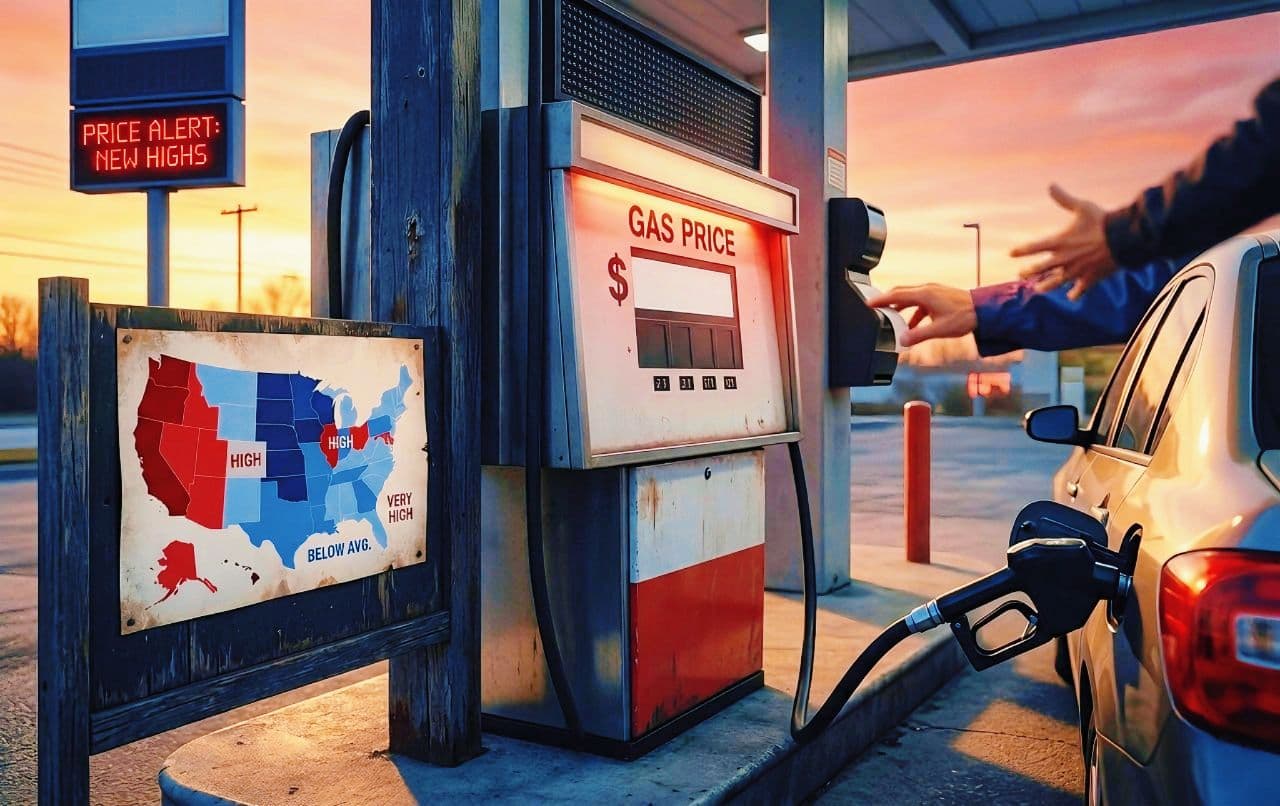
Gas Prices March 2026: Highest Since 2022 — State-by-State Pump Costs

March 2026 Market Outlook: Jobs Report, Retail Sales, Trade Balance, and Earnings from Nike & Conagra

Bitcoin Price Forecast 2026: Crypto Market Bottom and Recovery Trends

Iran War’s Impact on Your Finances

Gold Price Sell-Off: Investment Market Trends

Fed Policy Meeting Begins – Inflation and Rate Outlook
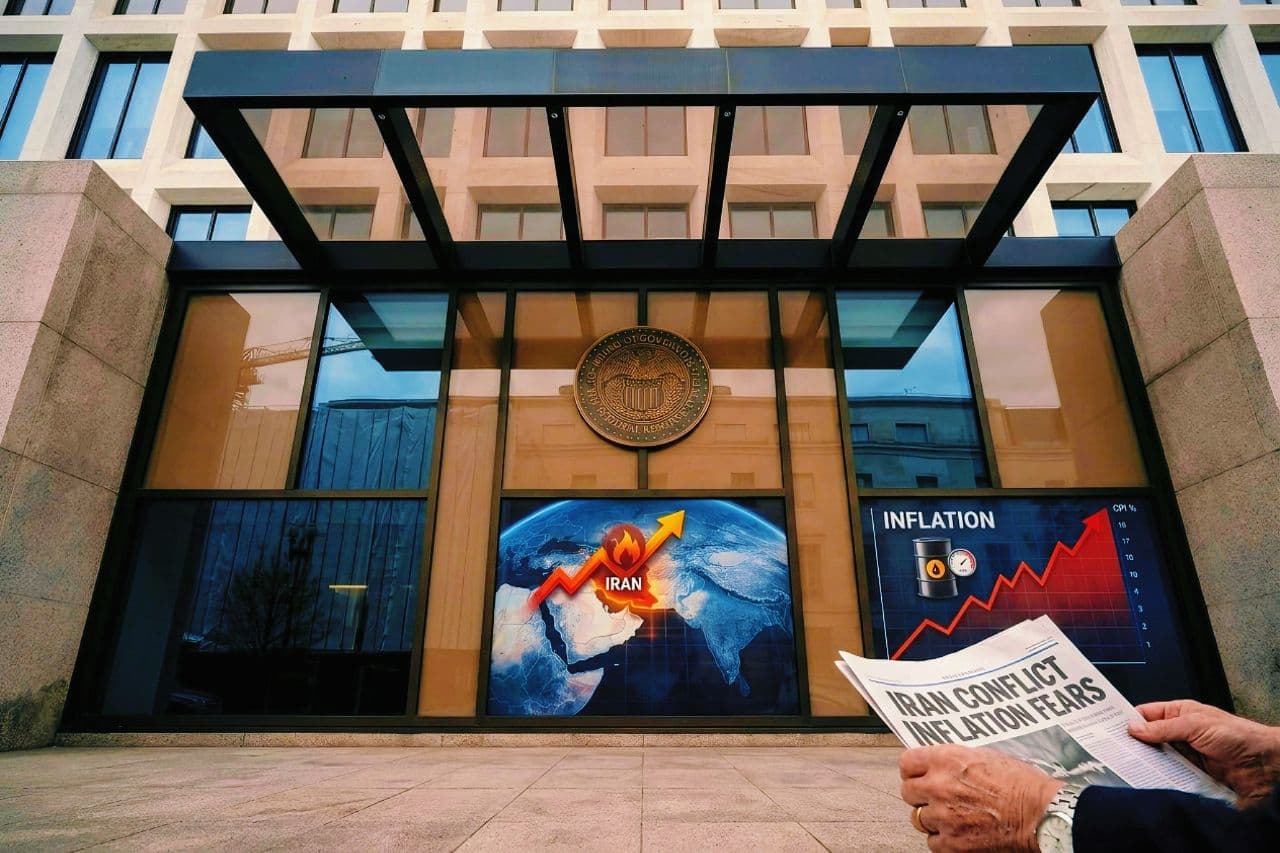
Iran War Fuels Inflation Fears – Fed Rate Hike Looms
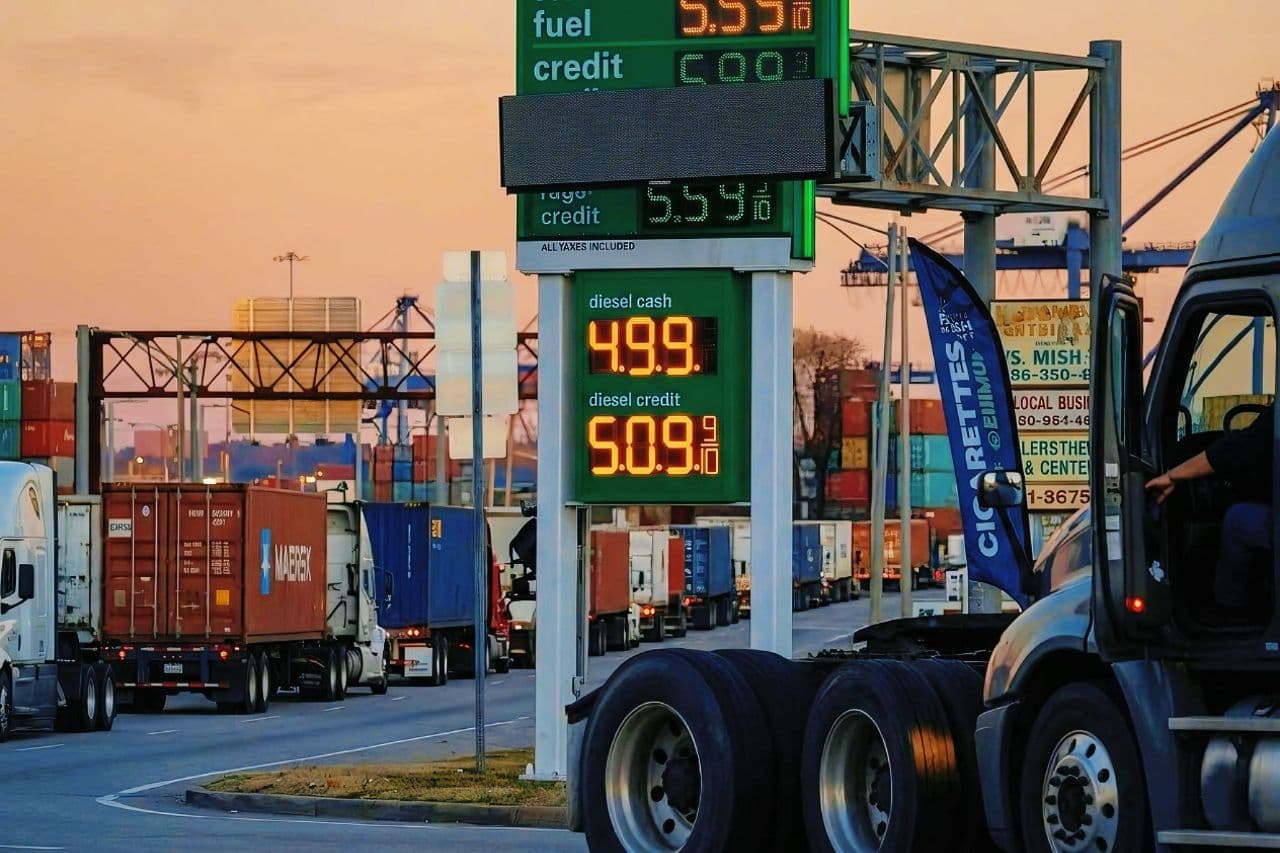
Diesel Price Surge Threatens U.S. Economy – Inflation Risks Ahead
Iran War Timeline and Economic Impact – What Investors Need to Know
Wall Street Insider Warns of 2008-Style Market Crash – Investor Alert