Grocery Prices 2025: Trump Claims Drop, But CPI Data Shows Rising Costs
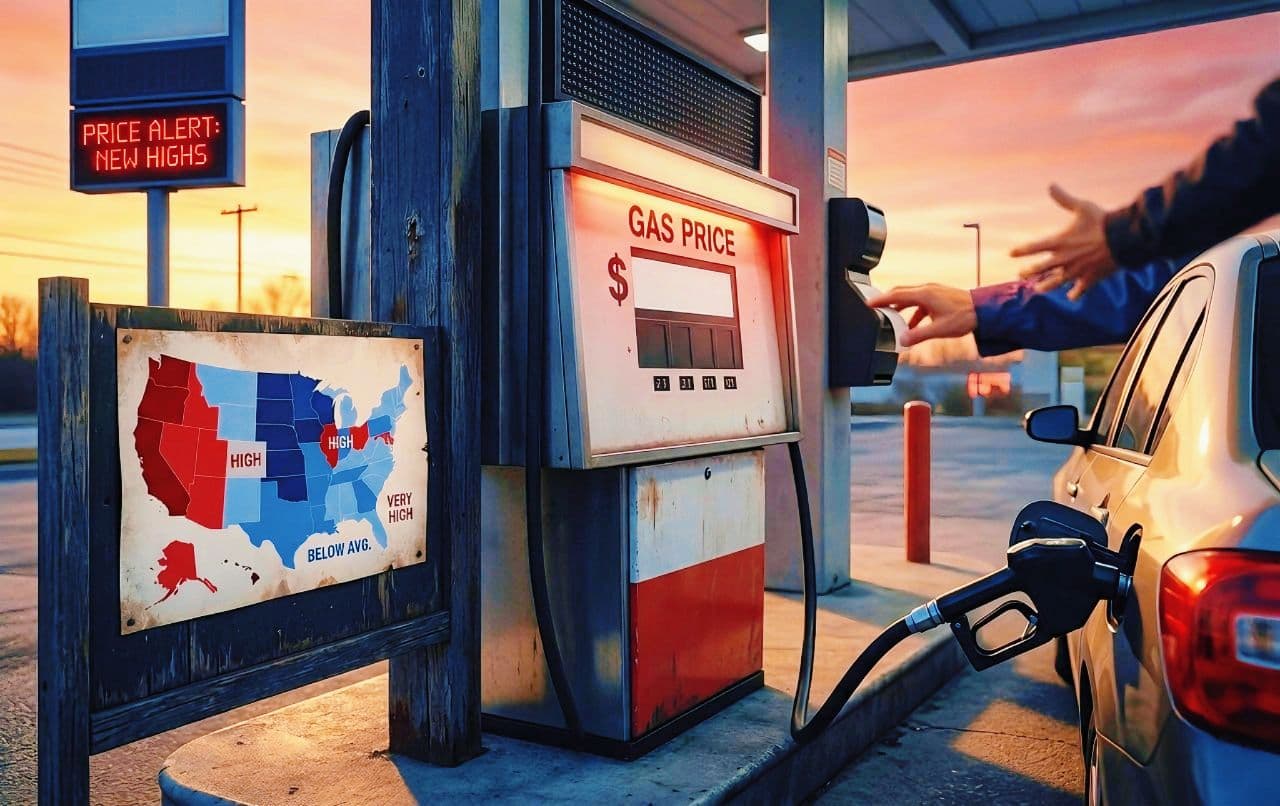
- Grocery costs have increased during President Donald Trump’s administration, despite his recent claim that they are “falling rapidly.” While overall food prices continue to rise, the pace of inflation has eased compared to earlier in the year, offering consumers only modest relief.
Key Takeaways
Trump Inflation Claim: Grocery Prices Still Rising Despite Turkey and Egg Cost Drops
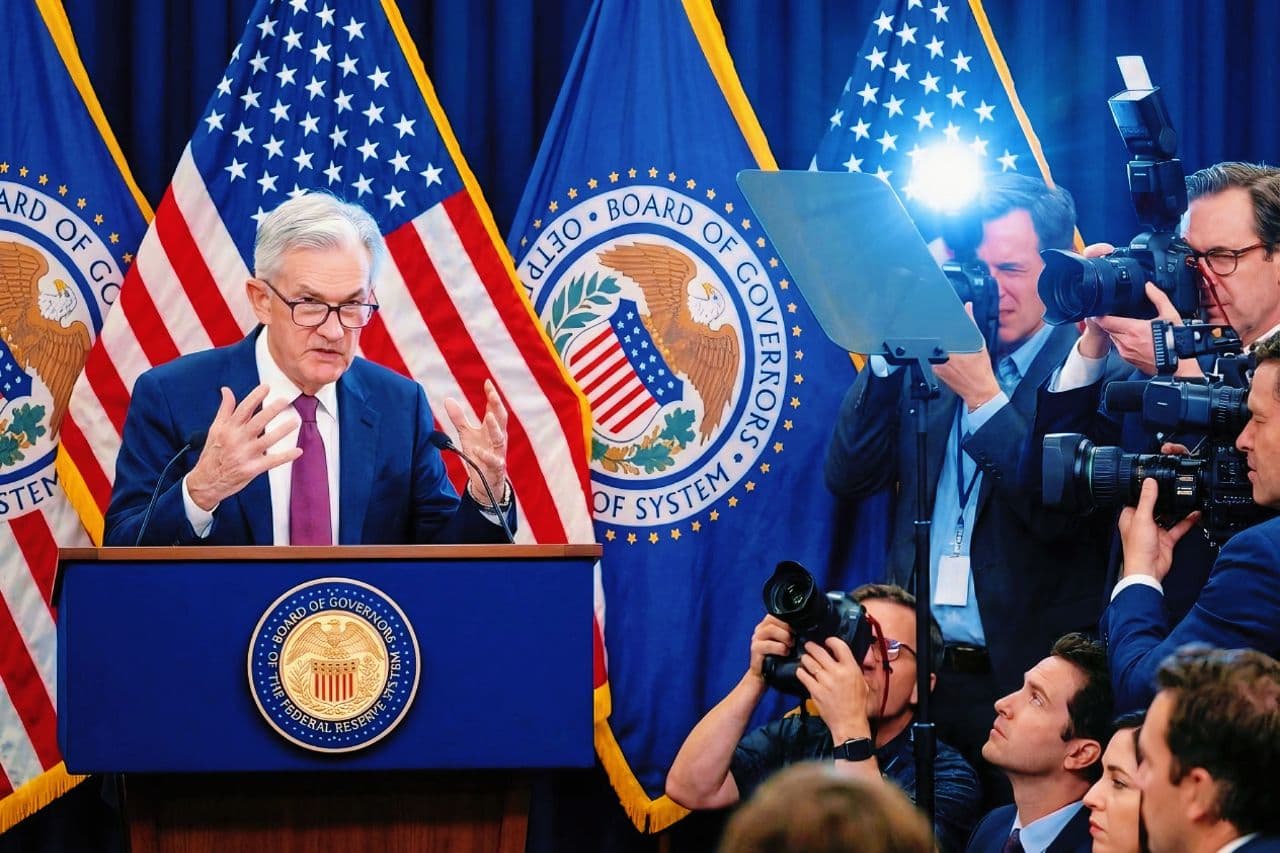
President Donald Trump asserted that grocery prices are “falling rapidly” under his economic policies, but government data shows otherwise. In a televised defense of his administration’s record, Trump argued that tariffs and inflation were being addressed, blaming his predecessor Joe Biden for higher living costs. He highlighted groceries as proof of progress, pointing to a 33% drop in Thanksgiving turkey prices compared to last year and an 82% decline in egg prices since March, while insisting broader food costs are trending downward.
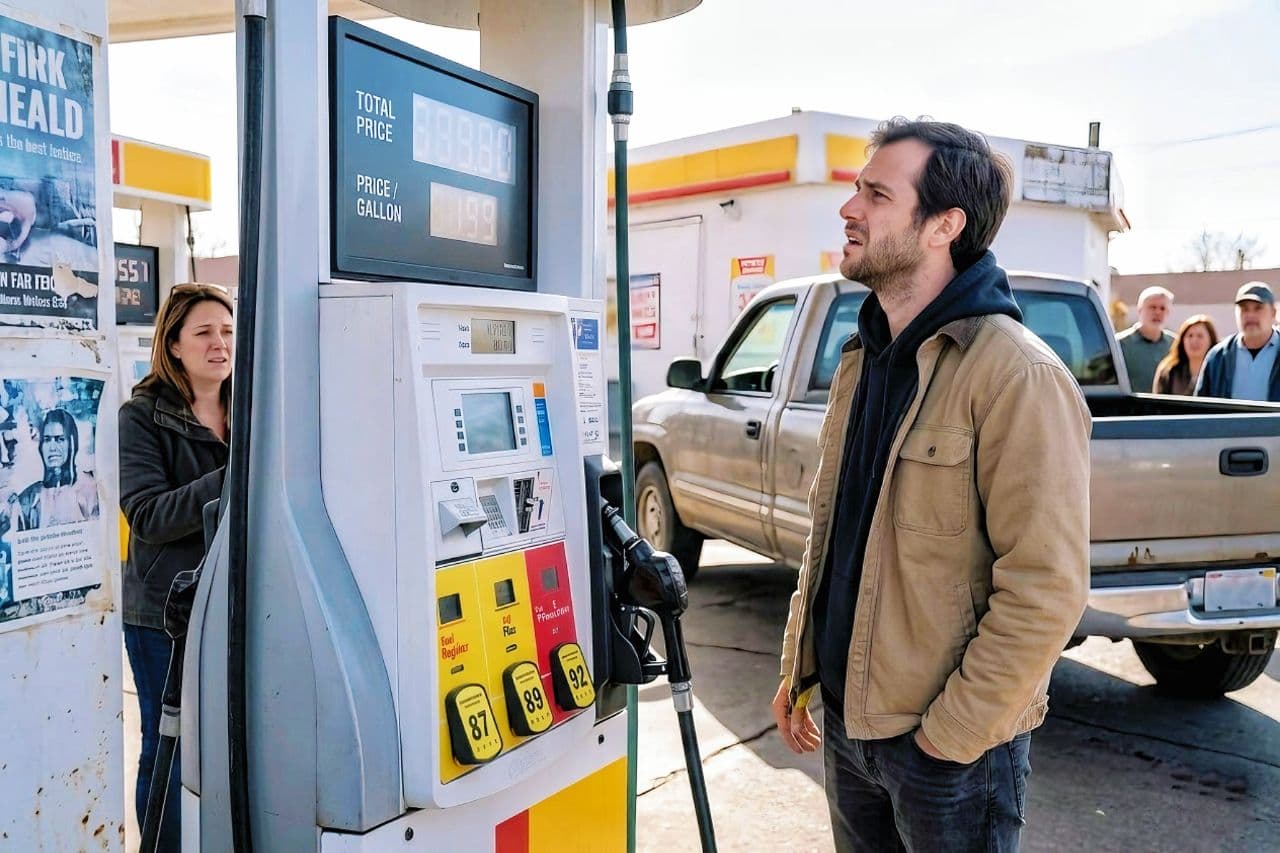
If you’ve felt the pinch at the checkout line this year, you’re not alone. Government consumer price surveys confirm that grocery costs have indeed climbed, validating the strain many households are experiencing. The data underscores how inflation continues to impact everyday essentials, reinforcing the importance of budgeting and tracking food price trends.





Thanksgiving 2025 Food Costs: Turkey Prices Mixed, Eggs Down, But Beef and Coffee Surge
Reports on turkey prices show conflicting trends. The American Farm Bureau reported frozen turkey at $1.34 per pound in 2025, a 16% drop from 2024. Yet government CPI data shows turkey prices up 0.8% year-over-year. Egg prices, which spiked in 2024 due to bird flu, have since declined as supply stabilizes.
Other staples, however, are sharply higher. Ground beef has climbed 16% compared to last year, while coffee prices surged 35%, according to the Bureau of Labor Statistics. These increases highlight how grocery inflation continues to pressure households despite selective price relief.






Grocery Inflation 2025: CPI Shows Prices Rising 1.9% Despite Slower Pace
Grocery inflation is best measured by tracking a basket of products rather than focusing on individual items. According to the Consumer Price Index, overall grocery prices rose 1.9% in the 12 months ending November 2025. While this marks a slowdown from September’s 2.7% increase, it remains higher than the 1.6% annual growth recorded in November 2024.
In short, grocery prices are not falling. They continue to climb, though at a slower pace than earlier in the year, leaving consumers with ongoing cost pressures despite modest signs of easing inflation.






The Bottom Line
Government data shows grocery prices are still rising, up 1.9% over the past year, even though the pace has eased from earlier in 2025. While some individual items like turkey and eggs have seen declines, broader CPI measures confirm costs are not “falling rapidly” as claimed. Consumers remain under pressure, with inflation continuing to shape household budgets.